
Cocaine is a powerful stimulant made from the coca plant grown in South America. Once it enters the bloodstream, the body works quickly to break it down, but traces of the drug and its byproducts can linger far longer than the high itself.
Many people facing a drug screen, a court order, or recovery from substance abuse want to know exactly how long cocaine stays in the system. The answer depends on the test, the user, and several factors that vary from person to person.
For anyone struggling with stimulant use, our cocaine addiction treatment program at Mountain Valley Recovery offers tailored care for men ready to reclaim their lives. Understanding detection timelines is often the first step toward asking the harder question: Is it time to get help?
This guide breaks down how cocaine is metabolized, the half-life of cocaine, and how long cocaine remains detectable in urine, blood, saliva, and hair tests.
Understanding How Long Cocaine Stays in Your System
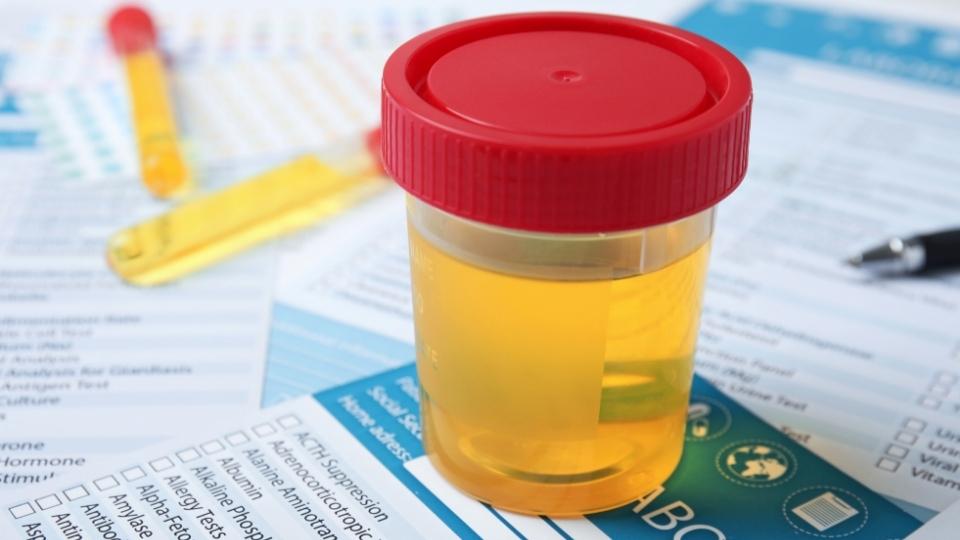
So, how long does cocaine stay in your system? Cocaine typically remains detectable in urine for 1 to 4 days, though the exact window depends on the type of drug test used and how often the drug was taken. Heavy or repeated cocaine use can stretch that window significantly, sometimes for several days or longer, depending on the test cutoff and pattern of use.
While cocaine’s effects fade within minutes to about an hour, the cocaine metabolites left behind tell a longer story. These metabolites are what most lab tests actually look for, not cocaine itself.
This is why short-term users may pass a drug test quickly, while chronic users can test positive for days after their last use. Because cocaine is a stimulant rather than an opioid, the way it acts on the body and shows up on tests is also different, and our guide on is cocaine an opioid explains why this distinction matters.
How Cocaine Is Processed in the Body
The body breaks cocaine down quickly through enzymes in the blood and liver. These enzymes break the drug down into smaller compounds, which then move through the bloodstream and out mainly through urine.
Metabolizing cocaine produces several byproducts, with benzoylecgonine being the most important marker for detection. Ecgonine methyl ester is another notable byproduct of cocaine metabolism.
How Quickly Is Cocaine Metabolized?
How quickly cocaine is metabolized depends on liver function, kidney health, dose, frequency of use, overall health history, and the type of test used. A healthy body eliminates cocaine relatively fast, while impaired liver or kidney function can slow the process and extend detection times.
The Short Half-Life of Cocaine
Cocaine has a short half-life of about 1.5 hours. That means the body breaks down half of the drug within roughly 90 minutes of use.
This shorter half-life is why cocaine’s effects feel intense but brief. Despite this rapid breakdown, cocaine metabolites have a longer half-life and remain detectable long after cocaine itself leaves the bloodstream.
Major Cocaine Metabolites Produced by the Body
The body produces several compounds when metabolizing cocaine. Benzoylecgonine and ecgonine methyl ester are the two most studied.
Benzoylecgonine is the metabolite that nearly every drug test is built to detect. The methyl ester compound is another byproduct that can help confirm cocaine use during lab tests.
How Long Does Cocaine Show Up in Drug Tests?
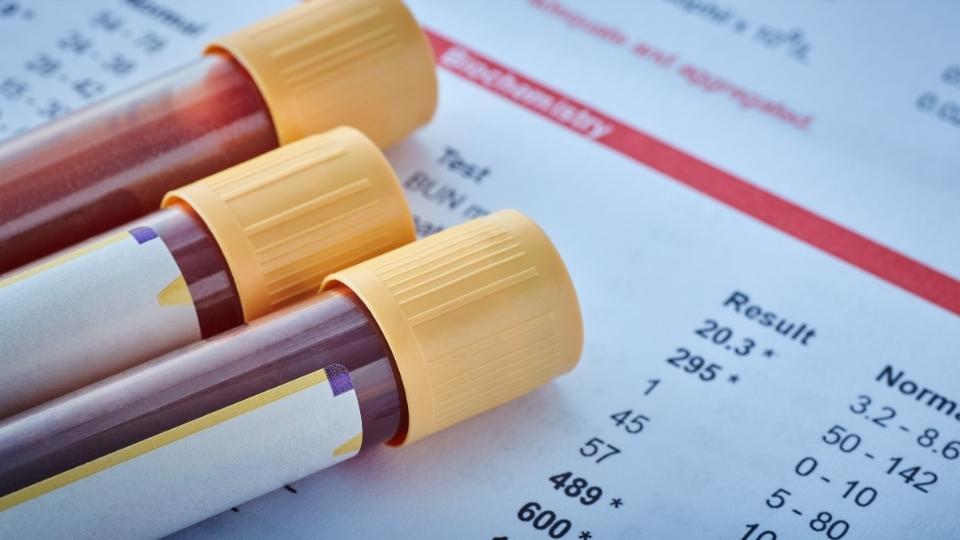
The detection window depends entirely on which sample type is collected. Urine, blood, saliva, and hair each tell a different story about recent or past cocaine use.
Most rapid tests and lab confirmations look for benzoylecgonine rather than cocaine itself, which is why detection often extends well past the drug’s brief half-life.
Urine Test Detection Window
A urine test is the most common test used in the workplace, court, and clinical settings. A urine sample can detect cocaine metabolites for about 1 to 4 days after cocaine use.
For chronic users, benzoylecgonine may remain detectable for longer than four days, and in some cases, a week or more, depending on the amount used, frequency of use, and test cutoff. Heavy cocaine consumption extends this window because metabolites can accumulate faster than the body eliminates them.
A urine drug screen is also affordable and easy to administer, which is why it dominates standard drug screen panels.
Blood Tests Detection Window
Blood tests offer a much narrower detection window. Cocaine and its metabolites are usually detectable in blood for several hours and sometimes up to 1 to 2 days, depending on the analyte, dose, and testing method.
Because of the rapid metabolism of cocaine, blood tests are mainly useful for confirming recent drug use, such as after a car accident or in an emergency room evaluation.
Saliva Test Detection Window
A saliva test, sometimes called a mouth swab, can detect cocaine for roughly 24 to 48 hours after the last dose, and sometimes up to 72 hours depending on the test and pattern of use. A saliva sample is easy to collect, but it is less common than a urine drug screen.
Saliva test results are gaining popularity for roadside drug screening because the sample is non-invasive and harder to tamper with than a urine sample.
Hair Testing for Cocaine Use
Hair testing has the longest detection window of any common test. Hair tests can often show cocaine exposure for up to 90 days after the last use when the first segment of scalp hair is tested, and sometimes longer if longer hair is analyzed.
Cocaine and its metabolites can become incorporated into the hair shaft as hair grows. Hair testing is often used in legal cases or long-term monitoring, though it cannot pinpoint exactly when use occurred and may not detect very recent use from the past several days. Similar long detection windows appear with other substances, as covered in our guide to benzodiazepine detection times in urine, blood, saliva, and hair.
Cocaine Detection Times Compared
The table below summarizes detection windows across the main types of drug tests.
| Type of Drug Test | Detection Window | Best Used For |
|---|---|---|
| Urine test | 1 to 4 days, longer in heavy or chronic users | Workplace and routine drug screen |
| Blood tests | Several hours to 1 to 2 days | Emergency or recent use confirmation |
| Saliva test | 24 to 48 hours, sometimes up to 72 hours | Roadside screening and rapid tests |
| Hair testing | Up to 90 days, sometimes longer, with longer hair samples | Long term monitoring and legal cases |
Cocaine detection times also shift based on personal factors, which we cover next. The same is true for other drugs, as shown in our breakdown of how long Percocet stays in your system and how long LSD stays in your system.
Factors That Affect How Long Cocaine Stays in Your Body
How long cocaine stays in any given person is rarely a simple answer. Several factors influence how the body eliminates cocaine and produces metabolites.
These variables explain why two people who used the same amount can produce very different cocaine screen results.
Key factors that influence cocaine detection include:
- Liver function and kidney health, which affect how the body processes and eliminates cocaine
- Overall health history and individual metabolism
- Frequency, dose, and duration of cocaine use
- The type of test used and the cutoff level for a positive result
- Combining cocaine with other substances, such as alcohol
- Genetic differences in individual biological makeup
Liver Function and Body Composition
The liver and blood enzymes play important roles in metabolizing cocaine. Impaired liver function can slow the breakdown of the drug, meaning metabolites may linger longer.
Body composition may play a smaller role in detection variability, but frequency of use, dose, test cutoff, and individual metabolism usually matter more. Hydration can affect urine concentration, but it does not reliably speed cocaine elimination.
Frequency, Dose, and Heavy Cocaine Use
The amount of cocaine taken directly affects how long cocaine stays in the system. A single small dose clears much faster than a binge.
Chronic users and those with a cocaine use disorder can build up metabolites over time. For these chronic users, cocaine elimination takes considerably longer than for occasional users, and repeated cocaine use compounds the effect over time.
Method of Use and Taking Cocaine
The method of administration affects how fast cocaine’s effects appear, but it does not dramatically change how long cocaine stays detectable. Smoking cocaine hits the brain almost instantly, while snorting it takes a few minutes longer. The body still processes cocaine in roughly the same way once it enters the bloodstream. The differences between snorting and smoking stimulants follow a similar pattern.
Mixing Cocaine With Other Substances
Combining cocaine with other substances changes how the body processes cocaine. Drinking alcohol while using cocaine is especially risky.
When cocaine is mixed with alcohol, the body creates a new metabolite called cocaethylene that lasts much longer than cocaine on its own.
Combining Cocaine With Alcohol Creates Cocaethylene
When someone uses cocaine and alcohol together, the alcohol creates a unique chemical reaction in the liver. This produces cocaethylene, a substance with a longer half-life than cocaine itself and far more dangerous health risks.
Cocaethylene raises the risk of seizures, liver damage, cardiovascular toxicity, and heart attacks. It can also stay in the body longer than cocaine itself, extending the detection window in lab tests.
Studies have found that when cocaine and alcohol are used together, the peak concentration of cocaine in the blood can rise by about 20 percent. That spike intensifies cocaine’s effects and the associated health risks, which is one reason cocaine abuse paired with drinking is so dangerous.
Can Prescription Medications Cause You to Test Positive?
Many people worry about false positives on a cocaine drug test. The good news is that few prescription medications cause a false positive for cocaine metabolites.
Most drugs and over-the-counter products will not trigger this marker. A cocaine screen is designed to detect cocaine metabolites specifically, which keeps false positives uncommon.
However, certain medical procedures still use cocaine as a local anesthetic in nasal or throat surgeries. If you have had one of these procedures recently, you may legitimately test positive, so mention it to whoever orders the test.
Interpreting Your Test Results
Cocaine screen results from a standard cocaine drug test are typically reported as positive or negative based on a cutoff level of benzoylecgonine. A positive result does not always mean recent use, but it does confirm cocaine exposure within the detection window.
Rapid screening tests give a quick yes or no answer, while lab tests offer more detailed quantitative readings. If an initial rapid test is positive, a lab usually runs a confirmation test to rule out false positives. Test results are most reliable when confirmed by a follow-up panel using a more specific method, such as GC-MS or LC-MS/MS.
False positives on cocaine drug tests are uncommon compared with other drug categories, but they can happen. If you believe a result is wrong, ask for a confirmation test.
Recognizing Cocaine Addiction and Long-Term Effects
Repeated cocaine use can quickly evolve into cocaine addiction. The drug rewires reward pathways in the brain, making it difficult to stop without help.
Withdrawal symptoms during early recovery from cocaine abuse include fatigue, depression, cravings, mood swings, and trouble sleeping. These symptoms are uncomfortable but usually not life-threatening, unlike some stimulant crashes covered here.
Long-term use of crack cocaine or powdered cocaine raises serious health risks. Heavy cocaine use is linked to high blood pressure, heart attacks, strokes, and lasting cardiovascular damage. Chronic use also causes liver damage, kidney problems, and gastrointestinal issues like ischemic colitis when blood flow to the intestines is reduced. You can read more about the patterns and dangers in our crack vs meth recovery paths article.
The Substance Abuse and Mental Health Services Administration provides national data showing cocaine remains a significant category of illicit stimulant use in the United States. Mental Health Services Administration resources are available to anyone seeking help for substance abuse or drug abuse of any kind.
Common warning signs of cocaine addiction include:
- Using more cocaine than intended or for longer than planned
- Failed attempts to cut back or stop taking cocaine
- Spending significant time obtaining, using, or recovering from cocaine
- Strong cravings or urges to use
- Continued use despite obvious harm to health, work, or relationships
- Withdrawal symptoms when not using
Treatment usually involves a mix of medical support, behavioral therapy, and peer support. Working with addiction specialists at a structured program improves outcomes significantly compared with quitting alone. Our guides on when to seek help for addiction, signs your loved one is addicted, and how to help a friend with drug addiction offer practical next steps.
If you or a loved one is struggling, our cocaine addiction treatment in Utah provides a faith-based, men-only environment where lasting recovery is possible. Our inpatient rehab options give men the time, space, and tools to rebuild, and our stages of addiction recovery guide explains what to expect along the way.
Frequently Asked Questions About How Long Cocaine Stays in the Body
How long does cocaine stay in your system after a single use?
After a single use, cocaine clears the bloodstream relatively quickly, but cocaine metabolites remain detectable in urine for about 1 to 4 days. Hair tests can detect cocaine exposure over a longer window, often up to about 90 days, though detection after a single use is not guaranteed and depends on the test, amount used, and individual factors.
Does smoking cocaine change how long cocaine stays detectable?
Smoking cocaine hits the brain faster than snorting it, but the body processes cocaine similarly regardless of route. Frequency, dose, and individual biology matter far more than method when it comes to cocaine detection times. Heavy or repeated cocaine use will always extend the detection window, no matter how the drug is taken.
What is the longer half-life of cocaethylene compared to cocaine?
Cocaine has a short half-life of about 1.5 hours, while cocaethylene, created when alcohol creates a chemical reaction with cocaine in the liver, has a longer half-life. This means cocaethylene can extend the time cocaine related compounds stay in your system, raise peak concentration, and significantly raise health risks like seizures and heart attacks.
Get Help for Cocaine Use at Mountain Valley Recovery
Understanding cocaine detection times is useful, but the deeper issue is what cocaine use is doing to your life. Heavy cocaine use damages the heart, liver, brain, and relationships, and the longer it continues, the harder recovery becomes.
Mountain Valley Recovery offers long-term, faith-centered care for men who are ready to leave drug use behind. From medical detox through aftercare, our team supports each man on his path to lasting sobriety. If you are ready to take that first step, reach out today and learn how our cocaine addiction treatment programs can help you or your loved one find lasting freedom.