If you have typed “signs I need rehab” into a search bar, it may feel daunting seeing all the results, but take solace in that you have already taken an essential step. Our guide is here to explain the signs you need professional help for addiction, how substance use affects your health and life, what treatment programs look like, and how to move toward lasting recovery with support groups and evidence-based care. You will see how clinicians define a substance use disorder, what withdrawal symptoms and physical dependence look like, and what options exist across the treatment process.
Quick Takeaways
- Addiction is a chronic disease that changes brain chemistry and behavior, but drugs don’t define who you can be.
- DSM-5 warning signs for addiction include loss of control, risky use, social or work problems, tolerance, and withdrawal.
- Effective treatment blends therapy, medications when indicated, and peer support groups.
What It Means To Have a Substance Use Disorder
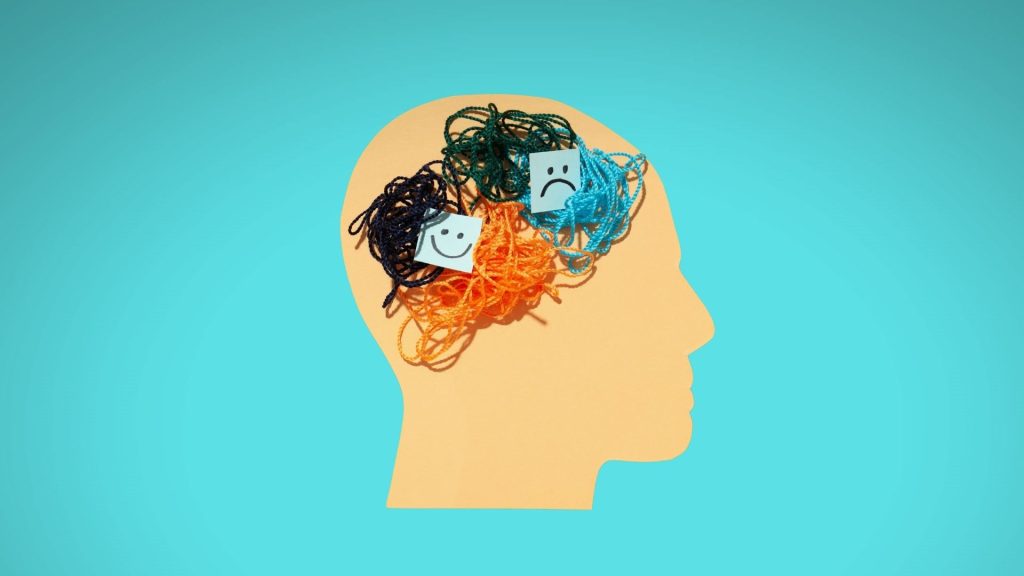
Clinicians use the Diagnostic and Statistical Manual of Mental Disorders (DSM-5) to diagnose substance use disorders. There are 11 criteria classified into four groups based on:
- Impaired control: using more than intended, wanting to cut down but being unable to, spending a lot of time getting or recovering from use, craving or strong desire to use
- Risky use: using in dangerous situations, knowing the physical or psychological consequences, but using anyway
- Social or work interference: giving up important activities, continuing to use despite social problems at work, home, or school, and being unable to perform your normal roles in those environments
- Pharmacological tolerance: built up a tolerance, suffering from withdrawal symptoms
Patients are evaluated using a criteria count to determine how urgent it is to seek help for potential substance abuse. Meeting two or three criteria in a year is considered a mild substance use disorder, four or five is moderate, and six or more is severe. This framework applies to alcohol and drugs and gives patients a shared language with providers during an assessment. It also helps decide the right level of treatment and where to begin the treatment process.
Addiction is currently best described as a chronic disease of the brain that changes circuits involved in stress, reward, and self-control. That is why a person can have a strong desire to stop yet keep using substances while knowing the consequences of their drug addiction. Recovery is still possible through treatment that addresses behavior, medication, peer support, and mental health together. Think of it as a long-term condition that you can treat rather than a short-term problem you should handle alone and risk the possibility of overdose.
For people who wonder whether their substance use is “mild,” it helps to see early patterns. Mild use can present like using more than planned, spending longer periods obtaining or recovering from use, or giving up recreational activities that used to matter. Early care prevents escalation and protects well-being before consequences spiral.
Consider these points to review your own situation:
- Do cravings and urges push you to use even when you promised yourself not to?
- Are substances starting to affect your work, school, or family life?
- Do you notice tolerance and needing more for the same effect?
Warning Signs of Needing rehab You Should Not Ignore
Loss of control is one of the most evident warning signs, even if you don’t know the exact cause of what has triggered it. Examples include using larger amounts than intended, repeated failed attempts to cut down, or spending too much time on use and recovery. If your substance use is replacing time with a loved one or pushing aside responsibilities, those are essential indicators to talk about with a professional. It’s critical to recognize early patterns rather than waiting for a crisis.
Tolerance and withdrawal symptoms point to physiological changes. Tolerance means you need more to feel the same effect. Withdrawal can include anxiety, sweating, tremors, insomnia, or agitation when you stop. Some withdrawals are life-threatening, particularly with alcohol or certain sedatives, which is why medical detox is the safer first step if you have a history of severe symptoms.
When substance use harms health, work, or family, the pattern often includes secrecy, missing deadlines, money problems, or conflict with loved ones. Household signs of addiction taking over include such as changes in sleep, new friend groups, weight gain or weight loss, or paraphernalia.
Here are some signs that your family may notice, and are indicators you need to seek professional help:
- Loss of control: plans to cut down on those that don’t stick, cravings that override promises, and the inability to limit use
- Not caring about consequences: fights with loved ones, job issues, missing classes, risky use like driving under the influence
- Physical symptoms: tolerance, withdrawal symptoms, visible health changes and fatigue
Risk Factors and Why Many Factors May Be Involved

Risk reflects many factors that can increase the chances of a substance use disorder, including genetics, early exposure, trauma, high stress, or easy access. Understanding risk factors is not about blaming yourself, it is instead about choosing the level of care that matches your situation and protects your health.
Brain chemistry shifts explain why addiction can feel like a lifelong disease for some patients; they are fighting against their naturally formed habits and cravings. The brain disease model of addiction is currently what is used to conceptualize how addiction takes hold, and the adoption of this model has helped improve the treatment methods for addiction recovery. It describes how alcohol and other substances alter reward and stress circuits and affect behavior long after the last drink or dose. This is one reason relapse can happen even after months of control and why ongoing support and medications can help stabilize recovery.
Mental health conditions often occur alongside substance use. Treating co-occurring disorders means addressing both at the same time with therapy, medications, and support groups. Integrated care produces better outcomes for patients and families.
Practical considerations for your care:
- If easy access at home or work is a daily trigger, ask for a safe storage plan or removal during early recovery
- If a family history of addiction exists, consider more structured treatment and peer support early
- If depression or anxiety worsens during abstinence, request an evaluation for integrated care
What Effective Addiction Treatment Looks Like
Evidence-based addiction treatment combines therapy, medication when indicated, and steady support. Group therapy helps with accountability and reduces isolation. Family therapy can improve communication and rebuild trust with loved ones. For alcohol, opioid, or nicotine use disorders, addiction medicine may include specific medications that reduce cravings or withdrawal. A clinician can review the benefits and risks and decide whether medications are appropriate for your plan.
Common levels of care include in order of most to least medically intensive include:
- Detox
- Residential treatment
- Partial hospitalization
- Intensive outpatient
The right level depends on severity, safety risks, and your home situation. Patients often move between levels during the recovery journey as goals evolve.
To create a supportive environment, combine a recovery program with peer support, practical routines, and safeguards against triggers. Remove easy access to substances, schedule activities that improve health and sleep, and ask one trusted person to join your first appointment. These small moves strengthen control and make the beginning feel manageable.
Helpful questions to ask when comparing programs:
- Ask about therapy types, group therapy schedule, and family involvement
- Ask how medications and medication management are handled
- Ask for aftercare, peer support, and structured relapse planning
Signs I Need Rehab FAQs
How Do I Tell the Difference Between Stress and a Substance Use Disorder?
Look for patterns like cravings, loss of control, and using despite harm. Meeting two or more DSM-5 criteria within a year suggests a substance use disorder and is a sign to talk with a clinician about treatment options. If you suspect that you may have a substance use disorder, you should mention this along with other symptoms like stress so you can get an informed treatment plan.
Are Withdrawal Symptoms a Sign I Need Medical Help?
Yes. Shaking, anxiety, or insomnia after stopping are red flags for physical dependence, which is best done in the presence or supervision of others. Some withdrawals can be dangerous, which is why medically supervised detox is recommended for certain substances, and the risk of relapse and overdose during this critical period can be very high.
What Treatment Programs Are Available in Utah?
Utah options include inpatient detox, residential treatment, intensive outpatient, and recovery clinic follow-up. The Utah Division of Substance Use and Mental Health is a great place to start for substance use and mental health resources. Despite the state’s beauty, the long travel distance between care centers can make it difficult to coordinate addiction treatment.
Can Support Groups Replace Professional Treatment?
Support groups provide peer support and help maintain progress, but they work best when combined with professional evaluation and therapy. Pair meetings with a clinical plan to address both substance use and mental health, since they both feed into each other to worsen the cycle of addiction. You should also build up a support network of people who can keep you accountable and prevent feelings of isolation from creeping in.
How Do I Help a Loved One Who Denies There Is a Problem?
Use specific examples, avoid blame, and invite them to a low-pressure assessment. Utah resources and national helplines can guide you through the next steps and family support. Don’t get turned away from the work involved; any steps, even if they are perfect, can be life-changing for someone in need.
What to Do When You Recognize Signs of Drug Addiction
If you recognize several warning signs, you need to make that first decision to choose change. Treat the decision like medical triage. Call a Utah helpline, describe the signs you are experiencing, and ask for a plan that includes therapy, support groups, and a review of addiction medicine appropriate for your substance.
Whether your pattern looks like mild substance abuse or something more severe, help is available and effective. Recovery is built one week at a time through consistent actions and a supportive environment that protects your health and your future. With professional help and steady support, you can regain control, hope, and begin a lasting recovery journey.
Don’t wait. Whether you are looking after your own needs or someone you care about, reach out to our admissions team at Mountain Valley Recovery, where we will help you with the next steps.