
When you finish a drink, your body immediately begins breaking it down, but that process takes far longer than most people expect. How long does liquor stay in your system? The honest answer is that it depends on the test used, how much you drank, and your own biology. Whether you are preparing for a screening, recovering from a heavy night, or quietly worried about your drinking, understanding alcohol detection time helps you make safer decisions. For anyone who realizes their relationship with alcohol has become unmanageable, structured support, such as inpatient rehab, can be the turning point.
How Your Body Processes Alcohol

Once alcohol enters your bloodstream, your liver does most of the job of metabolizing it, while smaller amounts leave through breath, urine, and sweat. The liver breaks alcohol down at a fairly steady pace, often estimated at about one standard drink per hour, though the exact rate varies by person. When you drink faster than your liver can keep up, the excess circulates in your blood, and your blood alcohol concentration (BAC) climbs.
A standard drink in the United States contains about 14 grams of pure alcohol. Importantly, your liver cannot be rushed. Coffee, cold showers, exercise, and greasy food are popular myths, but none of them speed up elimination. Time is the only thing that lowers your BAC. This slow processing is also part of why alcohol disrupts sleep and leaves you groggy the next morning, a topic explored in more detail in this guide on why alcohol makes you feel tired.
Mountain Valley Recovery
Inpatient Rehab in a Calm, Supportive Setting
Mountain Valley Recovery provides structured inpatient rehab for people who need space, stability, and professional support away from everyday triggers.
Explore Inpatient RehabBeer vs Wine vs Spirits: Does the Type Matter?
Here is the part that surprises most people. A standard serving of beer, wine, and spirits all contains roughly the same amount of alcohol. The bottle on the table matters less than the total volume of pure ethanol you take in.
The Standard Drink Equivalent
| Beverage | Typical Serving | Average ABV | Pure Alcohol |
|---|---|---|---|
| Beer | 12 oz | 5% | about 14 g |
| Wine | 5 oz | 12% | about 14 g |
| Spirits | 1.5 oz | 40% | about 14 g |
Because each of these servings delivers the same dose of alcohol, your liver clears them in about the same amount of time. So why do spirits feel stronger? Concentration. A shot can deliver its alcohol quickly in a small volume, which can spike your BAC faster when consumed quickly, especially on an empty stomach.
Beer and wine tend to be sipped over longer stretches alongside food and water, which slows absorption. The drink type influences how fast alcohol enters your system, not how long it ultimately stays. People also differ widely in their habits, and understanding the various drinker types can clarify why two people can drink the same amount yet show very different patterns of risk.
Alcohol Detection Times by Test Type
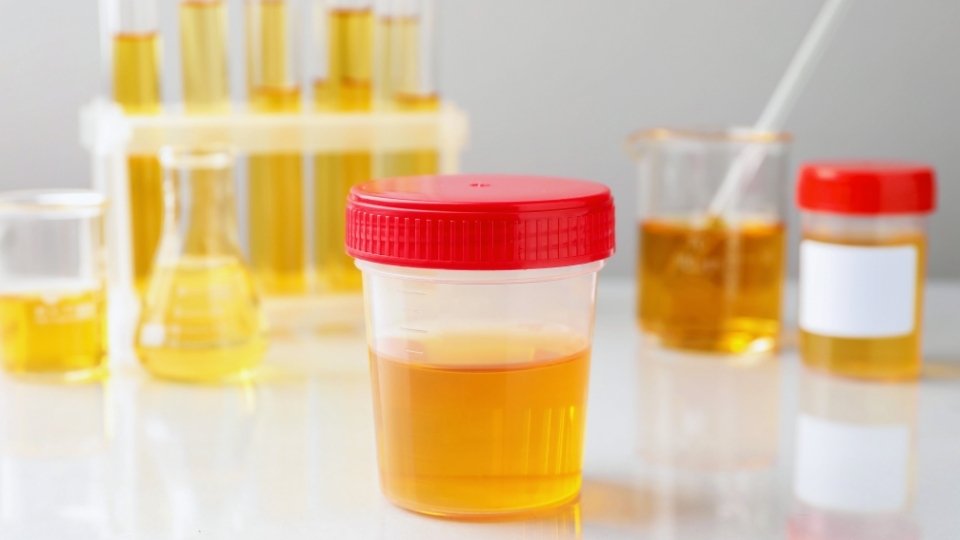
The most common question is not about feeling sober but about testing. Detection windows vary dramatically depending on the method used. The table below covers the typical ranges, though heavy or chronic drinking can extend them.
| Test Type | Detection Window |
|---|---|
| Breath | Usually detects current BAC; may remain positive for many hours and up to about 24 hours after heavy drinking |
| Blood | Commonly up to 12 hours |
| Saliva | Several hours to 24 hours or longer, depending on the test and amount consumed |
| Urine (standard) | 12 to 24 hours |
| Urine (EtG test) | Up to 72 to 80 hours |
| Hair | Up to 90 days |
Blood and Breath
Knowing how long alcohol in the blood remains measurable matters for legal and medical situations. Alcohol is usually detectable in the blood for several hours and commonly up to about 12 hours after your last drink, though heavy drinking can extend this window. Breathalyzers reflect your current BAC and may remain positive for many hours, potentially up to a full day after heavy drinking.
Urine and Saliva
Standard urine tests detect alcohol in urine for 12 to 24 hours, but more sensitive ethyl glucuronide (EtG) tests can flag alcohol metabolites for up to roughly 80 hours. EtG tests detect metabolites, not current intoxication. Saliva testing usually detects recent alcohol use and often overlaps with the shorter standard urine screening window, though exact timing depends on the test. Your kidneys help remove waste products and manage fluid balance, but your liver does the main work of metabolizing alcohol.
Heavy drinking can still strain kidney health indirectly through dehydration, blood pressure changes, and broader organ stress. You can read more about how this organ is affected in this overview of how liquor affects the kidneys.
Factors That Affect How Long Liquor Stays in Your System
No single number applies to everyone. The same two drinks can produce different BAC levels and detection windows in different people. The biggest variables include:
- Body weight and composition, since more body water dilutes alcohol
- Biological sex, as women often process alcohol more slowly due to enzyme and body composition differences
- Age, because metabolism tends to slow over time
- Food intake, since eating before drinking slows absorption
- Liver health, which is the single most important factor in clearance
- Medications and hydration, both of which can change how alcohol is handled
- Genetics, which influence the enzymes that break alcohol down
These factors compound when drinking is frequent or heavy. The difference between occasional excess and a pattern of harm is worth understanding, and this comparison of binge drinking versus heavy drinking breaks down where the lines fall.
How Alcohol Compares to Other Substances
Alcohol is rarely the only substance people misuse, and detection windows differ sharply from one drug to another. Where alcohol clears in hours to a few days, many other substances linger far longer and carry their own risks.
Opioids in particular have driven a wave of overdose deaths, including counterfeit pills disguised as candy, a danger detailed in this piece on rainbow fentanyl. Prescription opioids are not safe simply because a doctor wrote the script, as explained in this look at whether morphine is addictive, and route of use changes the danger too, something covered in this article on whether you can smoke heroin.
Sedatives carry similar concerns. Benzodiazepines, often combined with alcohol in a dangerous mix, have their own side effect and withdrawal profiles. Our resources on Klonopin side effects and Klonopin withdrawal explain why quitting them without medical help can be life-threatening. If you are weighing how different sedatives behave, this comparison of clonazepam vs lorazepam is a useful starting point. The takeaway is simple: detection time is only one piece of a much larger picture about how a substance affects your health.
When Drinking Becomes a Concern
If you find yourself tracking detection windows so you can pass a test or hide your drinking, that instinct itself may be a warning sign. A handful of common red flags tend to show up before things spiral:
- Drinking more, or for longer, than you intended
- Repeated failed attempts to cut back or quit
- Strong cravings or preoccupation with the next drink
- Drinking interferes with work, family, or health
- Needing more alcohol to feel the same effect
Some people try moderation strategies first, and the popular but often misunderstood California sober approach is one example worth understanding before assuming it works for everyone. For those whose dependence has become physical, stopping suddenly can be dangerous, which is why knowing the timeline for alcohol withdrawal and seeking medical supervision matters so much. Recovery is possible, and reaching out for help is a sign of strength rather than failure.
How Long Does Liquor Stay in Your System? Frequently Asked Questions
Does drinking water or coffee flush alcohol out faster?
No. Water and coffee may help you feel more alert and hydrated, but they do not change how quickly your liver metabolizes alcohol. Your body eliminates roughly one standard drink per hour, though the exact rate varies by person. Only time truly lowers your blood alcohol level.
Can one beer show up on a urine test?
Yes, briefly. A single beer can be detected in a standard urine test for several hours, and sensitive EtG tests may flag it for a day or more. The exact window depends on your metabolism, hydration, body weight, test sensitivity, cutoff level, and how recently you drank.
Is wine processed more slowly than liquor?
Not really. A standard glass of wine and a standard shot of spirits contain about the same amount of alcohol, so your liver clears them in a similar time. Spirits may raise your BAC faster when consumed quickly because of their concentration, but total elimination time is comparable for equal alcohol amounts.