
Morphine has eased human suffering for more than two centuries, and it remains one of the most effective tools doctors have for treating severe pain. Yet the same properties that make it so valuable also make it dangerous. Many patients and families ask a simple but urgent question: Is morphine addictive? The honest answer is yes, and understanding exactly how and why that happens can mean the difference between safe medical use and a spiraling dependence. This guide breaks down the real risk, the science behind it, and the warning signs to watch for. For anyone already struggling, professional care, such as inpatient rehab, offers a structured path back to health.
What Is Morphine?
Morphine is a natural opioid, sometimes called an opiate, derived directly from the opium poppy. It has been used medically since the early 1800s and is classified in the United States as a Schedule II controlled substance, a designation reserved for drugs with accepted medical uses but high potential for abuse and dependence. Doctors prescribe it for severe pain or pain that cannot be managed well with less risky options, often after major surgery, during cancer treatment, or in palliative and hospice care.
The distinction between an opiate and a fully synthetic opioid can be confusing, and it matters when discussing risk. Morphine and codeine come straight from the poppy, while drugs like fentanyl are made in a lab. This difference is explained in more detail in this guide on the difference between an opiate and an opioid. What unites them all is their action on the body’s opioid receptors, the same mechanism that makes the entire drug class effective and hazardous, a topic explored in this overview of what opioids are and why they are dangerous.
Is Morphine Addictive? The Short Answer
Yes. Morphine has a well-documented and significant addiction potential. It is one of the substances against which other opioids are measured precisely because it produces such powerful effects on the brain. When people ask how addictive morphine is, the most accurate response is that its addictive potential is high enough that even careful medical use requires monitoring.
That said, addiction is not inevitable for everyone who takes morphine. Millions of patients use it appropriately for short periods and never develop a problem. The risk depends on a mix of dose, duration, individual biology, mental health, and personal history. The key is recognizing that the possibility is real and treating the medication with respect rather than fear or carelessness.
Mountain Valley Recovery
Inpatient Rehab in a Calm, Supportive Setting
Mountain Valley Recovery provides structured inpatient rehab for people who need space, stability, and professional support away from everyday triggers.
Explore Inpatient RehabHow Morphine Affects the Brain
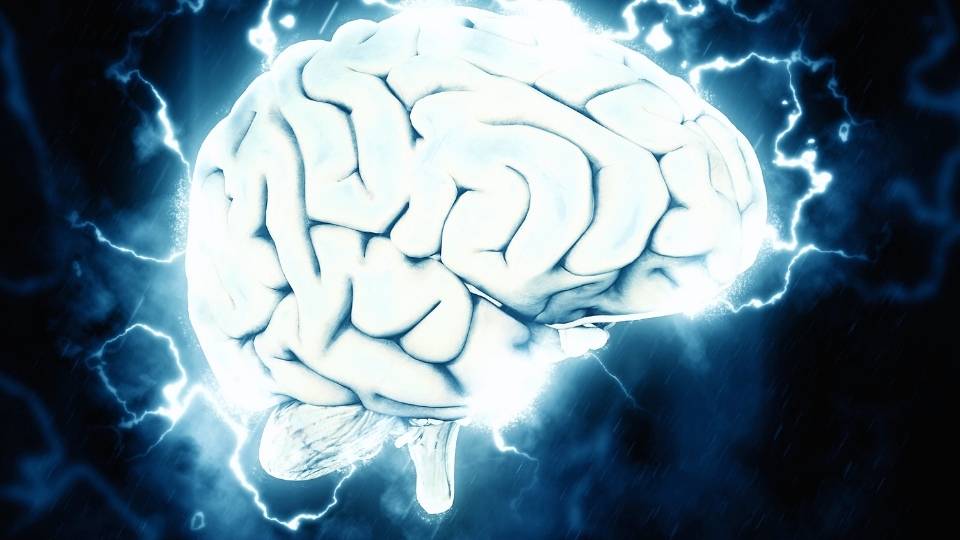
To understand morphine’s addictive potential, it helps to look at what happens inside the brain when the drug takes effect. Morphine binds to mu-opioid receptors found throughout the central nervous system. This binding blocks pain signals, which is the intended therapeutic benefit, but it also triggers a cascade of other effects that the brain learns to crave.
The Role of Dopamine and Reward
When morphine activates opioid receptors, it can indirectly increase dopamine activity in the brain’s reward circuitry, the system associated with pleasure and motivation. This surge produces a sense of euphoria and deep relaxation. The brain is wired to repeat behaviors that feel good, so it begins to associate morphine with reward. Over time, this reinforcement can override rational judgment, which is the foundation of how morphine addiction takes hold.
Tolerance and Neuroadaptation
The brain adapts to repeated exposure in a process called neuroadaptation. As receptors become less responsive, the same dose produces a weaker effect, and the person needs more to achieve the same relief or feeling. This is tolerance, and it may lead some people to seek higher and more frequent doses. Tolerance is one of the earliest physical signs that the body is changing in response to the drug, and it is closely tied to the development of dependence.
Dependence vs Addiction: A Critical Distinction
One of the most important and most misunderstood points about morphine is the difference between physical dependence and addiction. These terms are often used interchangeably, but they describe different things, and confusing them causes real harm. A patient who develops dependence during legitimate treatment is not necessarily an addict, and understanding that distinction can reduce both stigma and panic.
Physical dependence is a normal physiological adaptation. The body becomes accustomed to the drug and reacts with withdrawal symptoms if it is stopped suddenly. This can happen to anyone who takes morphine regularly, even exactly as prescribed. Addiction, clinically known as opioid use disorder when opioids like morphine are involved, includes compulsive drug seeking and use despite negative consequences, along with cravings and loss of control. The relationship between everyday habits and true addiction is examined further in this article on the difference between a habit and an addiction.
| Feature | Physical Dependence | Addiction (Substance Use Disorder) |
|---|---|---|
| Core nature | Body adapts and needs the drug to feel normal | Compulsive use despite clear harm |
| Can occur with proper medical use? | Yes, especially with regular or longer-term use | Less common, but possible |
| Hallmark signs | Tolerance and withdrawal | Cravings, loss of control, harm |
| Primary solution | Gradual medical tapering | Comprehensive addiction treatment |
The takeaway is that morphine dependence and morphine addiction exist on related but separate tracks. Dependence is about the body. Addiction is about behavior, brain chemistry, and the loss of control. Both deserve medical attention, but they call for different responses.
How Morphine Addiction Develops
Addiction rarely happens overnight. For some people, it begins with a legitimate prescription and progresses gradually, often without the person noticing how far things have shifted. Recognizing the typical pathway can help families intervene earlier.
The progression often unfolds in stages:
- A prescription is given for genuine pain, and morphine provides relief
- Tolerance builds, so the original dose feels less effective
- The person takes more than prescribed, or takes it more often
- Morphine began to be used for emotional relief, not just pain
- Cravings and preoccupation with the next dose set in
- Use continues even as it damages health, work, or relationships
Not everyone follows this exact path, and many people stop well before the later stages. But the pattern is common enough that clinicians watch for it carefully, especially in patients on long-term opioid therapy.
Risk Factors for Morphine Addiction
No single factor determines whether someone will develop a problem, but research has identified circumstances that raise the odds considerably. Knowing your own risk profile allows for more informed conversations with your doctor about pain management.
Common risk factors include:
- A personal or family history of substance use disorders
- Co-occurring mental health conditions, such as depression or anxiety
- Younger age, which is associated with higher vulnerability
- High doses or long durations of opioid therapy
- A history of trauma or chronic stress
- Using morphine in ways other than prescribed, such as crushing or injecting
The presence of one or more of these factors does not guarantee addiction, nor does their absence make someone immune. They simply shape the level of caution that is wise when morphine enters the picture.
Signs and Symptoms of Morphine Addiction
Catching the warning signs early gives a person the best chance at recovery before serious damage occurs. The symptoms tend to fall into behavioral and physical categories, and they often appear together.
Behavioral Signs
Behavioral changes are frequently the first thing loved ones notice. These may include taking more morphine than prescribed, visiting multiple doctors to obtain additional prescriptions, becoming secretive about use, losing interest in activities, neglecting responsibilities at work or home, and continuing to use despite obvious problems. Mood swings and a growing preoccupation with the medication are also common.
Physical Signs
Physically, morphine misuse can produce drowsiness, constricted pupils, slowed breathing, constipation, nausea, and noticeable changes in energy or alertness. As tolerance grows, a person may need larger amounts steadily. When morphine is unavailable, withdrawal symptoms emerge, which are often the clearest physical indicator that dependence has taken root.
Long-Term Effects of Morphine Misuse
While much of the conversation around morphine focuses on the immediate danger of overdose, prolonged misuse takes a quieter but equally serious toll on the body and mind. Chronic use can contribute to persistent constipation severe enough to cause bowel problems, hormonal disruptions that affect mood and sexual function, and a weakened immune response that leaves the body more vulnerable to illness.
The psychological effects can be just as damaging. Long-term opioid use is associated with depression, anxiety, and a flattened ability to feel pleasure from ordinary experiences, a condition that can make recovery feel daunting in its early stages. Sleep is frequently disrupted, and chronic pain can paradoxically worsen over time in some people, a phenomenon known as opioid-induced hyperalgesia, in which the drug intended to relieve pain actually heightens sensitivity to it. These compounding harms are part of why addressing morphine misuse sooner rather than later produces far better outcomes for both physical and mental health.
Morphine Withdrawal
Withdrawal is the body’s reaction to losing a substance it has adapted to, and with morphine, it can be intensely uncomfortable. While it is usually not life-threatening in healthy adults, complications and relapse risk make medical support important. The severity depends on how much was used, for how long, and whether the morphine was immediate-release or extended-release. Understanding the timeline helps people prepare for a medically supervised detox rather than attempting to quit alone.
| Timeframe | Typical Symptoms |
|---|---|
| 6 to 12 hours | Anxiety, muscle aches, sweating, runny nose, yawning |
| 1 to 3 days (peak) | Nausea, vomiting, diarrhea, cramps, chills, insomnia |
| 4 to 7 days | Symptoms gradually ease as the body stabilizes |
| Weeks to months | Lingering mood changes, fatigue, and cravings |
Because withdrawal can be both physically and psychologically draining, medical supervision makes the process safer and far more bearable. Doctors can ease symptoms with supportive care and medications, reducing the risk of relapse during the most vulnerable early days.
Morphine Compared to Other Opioids
Morphine is often used as the reference point for measuring the strength of other opioids, a system known as morphine milligram equivalents. Understanding where it sits in the broader opioid landscape clarifies its risk relative to other drugs.
| Opioid | Strength Relative to Morphine | Notes |
|---|---|---|
| Codeine | Weaker | Frequently combined with other medications |
| Morphine | Baseline reference | Natural opiate, the standard for comparison |
| Oxycodone | Somewhat stronger | A widely prescribed painkiller |
| Heroin | Faster acting and often more intensely reinforcing | Illegal and derived directly from morphine |
| Fentanyl | Roughly 100 times stronger | Synthetic and extremely dangerous |
Heroin is worth special mention because it is synthesized from morphine and converts back into it once inside the body. The way it is used also affects its danger, a subject covered in this overview of whether you can smoke heroin. At the far end of the spectrum sits fentanyl, which has driven a wave of overdose deaths and now contaminates many illicit drugs, including the brightly colored counterfeit pills discussed in this article on rainbow fentanyl. Compared to these, morphine is less potent, but that does not make it safe, since its addictive potential remains substantial.
The Danger of Mixing Morphine With Other Substances
One of the gravest risks with morphine is combining it with other depressants. Opioids slow breathing, and stacking them with other sedating substances can be fatal. This is where many accidental overdoses occur, often involving people who never intended to put themselves in danger.
Mixing morphine with benzodiazepines is especially hazardous, since both suppress the central nervous system. Resources on Klonopin side effects and Klonopin withdrawal explain why these medications demand caution on their own, and this comparison of clonazepam vs lorazepam shows how even similar sedatives differ in their effects and risks.
Alcohol presents the same kind of threat. Combining it with morphine intensifies sedation and respiratory depression. Many people underestimate how long alcohol stays active in the body, a subject detailed in this guide on how long liquor stays in your system, and the toll it takes on organs, as explained in this piece on how liquor affects the kidneys. Recognizing your own relationship with alcohol, including your drinker type, is part of understanding the bigger picture of substance risk.
Can Morphine Addiction Be Prevented?
Prevention does not mean avoiding morphine entirely, since for many patients it is the most humane and effective option for serious pain. Instead, it means using the medication thoughtfully and with clear communication. Patients can lower their risk by taking morphine exactly as prescribed, never adjusting the dose on their own, and being honest with their doctor about any personal or family history of substance use.
Open dialogue with the prescribing physician is one of the strongest protective measures available. A good pain management plan includes regular check-ins, a defined timeline for use, and a strategy for tapering off when the medication is no longer needed. Storing morphine securely and disposing of unused doses also prevents misuse by others in the household, a common and overlooked source of exposure for teenagers. When patients and providers treat morphine as a carefully monitored tool within a larger plan rather than an open-ended solution, the chances of unnecessary dependence or misuse drop considerably.
Treatment for Morphine Addiction
The encouraging truth is that morphine addiction is highly treatable, and recovery is achievable with the right support. Treatment may begin with medically supervised withdrawal management when needed, but long-term opioid use disorder care should include evidence-based treatment such as medications for OUD, counseling, and ongoing support.
Effective programs often combine several elements. Medication-assisted treatment using options like buprenorphine, methadone, or naltrexone can reduce cravings, support abstinence from nonmedical opioid use, and stabilize the person during early recovery. Individual and group counseling help uncover the triggers and patterns driving the addiction, while behavioral therapies build healthier coping skills. Residential or inpatient settings can provide structure for people who need that level of care, while outpatient medication-based treatment may also be effective. Aftercare and ongoing support help protect against relapse over the long term.
Some people explore harm reduction or moderation philosophies during recovery, such as the California sober approach, though for opioid dependence in particular, full abstinence under medical guidance tends to offer the safest foundation. The right plan depends on the individual, which is why professional assessment matters so much.
When to Seek Help
If morphine has begun to feel like a necessity rather than a treatment, or if you recognize the warning signs in yourself or someone you love, that is reason enough to reach out. You do not need to wait for a crisis or rock bottom. Early intervention can lead to better outcomes, and the dangers of opioid dependence, including overdose, make waiting risky. Help is available, recovery is realistic, and asking for support is a sign of strength rather than failure.
Is Morphine Addictive? Frequently Asked Questions
Can you get addicted to morphine if you take it as prescribed?
Yes, addiction is possible even with a prescription, though it is less common when morphine is used correctly under medical supervision. Physical dependence is more likely and can affect almost anyone who takes morphine regularly, while addiction involves compulsive use and loss of control despite the harm it causes.
How long does it take to become dependent on morphine?
Physical dependence can begin within days to weeks of regular use, though the exact timeline varies based on dose, frequency, individual biology, and how long the drug is taken. Addiction develops differently and depends on many psychological and environmental factors.
Is morphine more addictive than other opioids?
Morphine carries significant addiction potential, but it is less potent than fentanyl and comparable to several other prescription opioids. Potency does not translate directly into addictiveness, though stronger and faster-acting opioids often carry higher overdose and dependence risks for the people who use them.