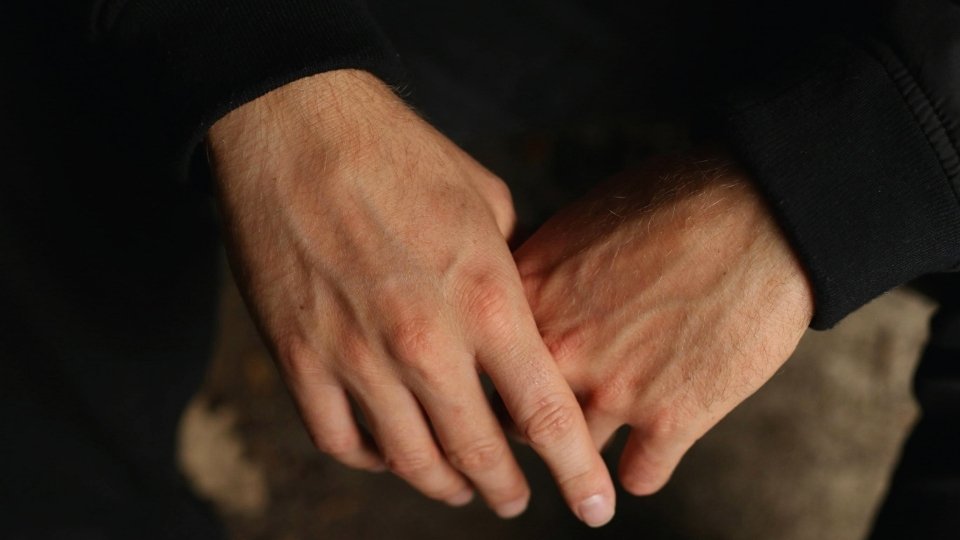
For many people who drink heavily, the first sign that something has changed is a subtle tremble in the hands that appears in the morning and eases after the first drink. Those shakes from alcohol are easy to dismiss as stress or too much coffee, but they may be the body’s way of announcing that it has become physically dependent on alcohol. Understanding why the shaking happens, what it signals about your health, and when it becomes a medical emergency can help you make a decision that protects your life. If you or someone you love is experiencing these tremors, professional inpatient rehab and medical detox can make withdrawal both safer and more comfortable.
This guide walks through the biology behind alcohol shakes, the difference between a mild morning tremor and a life-threatening withdrawal reaction, and the point at which home remedies are no longer safe. Recurrent shakes after alcohol levels fall are one of the clearest physical markers that heavy drinking may have progressed to dependence, and they deserve to be taken seriously.
What Are Shakes From Alcohol?

Shakes from alcohol, also called alcohol tremors, are involuntary rhythmic movements that most often affect the hands but can also involve the arms, legs, head, and voice. They commonly appear when a regular heavy drinker goes several hours without alcohol, which is why they are so common first thing in the morning after a night of sleep. In medical terms, this trembling can be a symptom of the nervous system struggling to rebalance itself after becoming accustomed to the presence of alcohol.
It is important to understand that these tremors are not a character flaw or a simple bad habit. They are a physiological response driven by real changes in brain chemistry. When shaking from drinking becomes a recurring part of daily life, it is a strong indicator that a person may have crossed from heavy drinking into physical dependence, which can be a feature of alcohol use disorder.
The Science Behind the Tremor
Alcohol is a central nervous system depressant. It enhances the calming effect of a neurotransmitter called GABA while suppressing glutamate, an excitatory chemical messenger. With regular heavy drinking, the brain adapts by reducing the responsiveness of inhibitory GABA systems and increasing excitatory glutamate activity to counteract the constant sedation. This adaptation is what allows a person to function while intoxicated, but it creates a hidden problem.
When alcohol leaves the system, that carefully balanced compensation is suddenly unopposed. The brain is left in a state of overexcitement, with too much excitatory activity and too little effective calming activity. The nervous system essentially goes into overdrive, and one of the visible results is trembling. The same overexcitement is responsible for anxiety, sweating, a racing heart, and in severe cases, seizures.
What Causes Shakes From Alcohol?

Not all alcohol tremors are the same. They can appear at different times and for different reasons, and recognizing which type you are dealing with helps clarify how urgent the situation is. Broadly, shakes from alcohol can reflect acute withdrawal or neurological, nutritional, metabolic, or other complications associated with long-term drinking.
Alcohol Withdrawal Shakes
Alcohol withdrawal shakes are the most common form and typically begin within six to twenty-four hours after the last drink or a significant reduction in alcohol intake. As blood alcohol levels drop, the overexcited nervous system produces a fine, fast tremor that is most noticeable when the hands are held out or when trying to perform delicate tasks like holding a cup or signing a name. For someone who drinks heavily every day, these withdrawal shakes can become a predictable daily cycle.
These are the tremors most people picture when they think about quitting drinking. They are uncomfortable and often frightening, but a mild tremor is not usually dangerous by itself. The concern is what it may be a precursor to, because the same underlying process that causes mild shaking can, if it escalates, lead to seizures and a condition called delirium tremens.
Morning Shakes and What They Signal
Morning shakes deserve special attention because they are often an important warning sign of dependence. After a night of sleep, a heavy drinker has gone eight or more hours without alcohol, long enough for withdrawal to begin. The person wakes with trembling hands, nausea, and anxiety that only settle once they drink again. This pattern, sometimes called an “eye-opener,” is a red flag.
The need for a morning drink to steady the hands and calm the nerves is a defining feature of physical dependence. It means the body now requires alcohol simply to feel normal, not to feel good. If you find yourself drinking in the morning to stop the shakes, that is a clear signal that dependence may have taken hold and that professional help is warranted. The line between social drinking and dependence can be hard to see, and it helps to understand where problem drinking begins, which is why it is worth learning whether binge drinking is a form of alcoholism.
Tremors From Alcohol Versus Other Tremors
Tremors have many causes, and not every trembling hand is related to drinking. Essential tremor, Parkinson’s disease, low blood sugar, anxiety, thyroid conditions, and certain medications can all produce shaking. What may set alcohol withdrawal tremors apart is their timing and their relationship to drinking. Alcohol withdrawal shakes often appear when the person has not had a drink for several hours and may improve, at least temporarily, once they drink again.
This relief-with-drinking pattern is an important diagnostic clue, but it does not prove that withdrawal is the cause. Conditions such as essential tremor can also temporarily improve with alcohol. If shaking reliably worsens during periods of abstinence and eases with alcohol, withdrawal should be seriously considered, but a medical evaluation is still important. Long-term heavy drinking can also contribute to lasting tremor during sobriety through neurological or nutritional complications. Recognizing the broader picture of dependence is easier when you know the common signs and symptoms of alcohol addiction.
The Alcohol Withdrawal Timeline
Alcohol shakes rarely occur in isolation. They are one symptom within a broader withdrawal process that often follows a general timeline. Knowing this timeline helps you anticipate how symptoms may progress and, more importantly, when the risk of dangerous complications is highest. The following table outlines the typical stages, though the exact experience varies based on how much and how long a person has been drinking.
| Time Since Last Drink | Common Symptoms | Risk Level |
|---|---|---|
| 6 to 24 hours | Mild shakes, anxiety, nausea, headache, insomnia, sweating. | Low to moderate |
| 12 to 24 hours | Worsening tremors, irritability, and in some cases hallucinations. | Moderate |
| 8 to 48 hours | Elevated heart rate and blood pressure, worsening withdrawal symptoms, and possible seizures. | High |
| 48 to 96 hours | Highest risk of delirium tremens, confusion, fever, and severe agitation. | Very high |
| 3 to 7 days and beyond | Symptoms gradually subside; some anxiety, sleep problems, and cravings may persist. | Declining |
Alcohol withdrawal symptoms often begin within hours after the last drink and commonly peak within 24 to 72 hours. Tremors are a recognized symptom, while severe withdrawal can cause seizures or delirium tremens. The first several days are when the most serious complications tend to appear, which is exactly why medically supervised detox matters so much. Seizures commonly occur within the first 48 hours, while delirium tremens most often begins between 48 and 96 hours. A clinical team can monitor vital signs and intervene before a manageable situation becomes an emergency. For a more detailed breakdown, this overview of the alcohol withdrawal timeline explains what to expect hour by hour.
When Shaking From Drinking Becomes Dangerous
While mild morning shakes are uncomfortable, they are not usually life-threatening on their own. The real danger lies in how withdrawal can escalate. Delirium tremens, often shortened to DTs, is the most severe form of alcohol withdrawal and is a genuine medical emergency that can be fatal without treatment. It most often develops two to four days after the last drink in people with a long history of heavy drinking, although it can sometimes begin later.
Certain warning signs indicate that withdrawal has moved beyond the mild stage and requires immediate medical attention. If you or someone nearby experiences any of the following, call emergency services right away:
- Severe, uncontrollable shaking that affects the whole body rather than just the hands.
- Seizures or convulsions, which can occur within the first 48 hours.
- Hallucinations, seeing, hearing, or feeling things that are not there.
- Profound confusion or disorientation and not knowing where they are.
- High fever, rapid heartbeat, and heavy sweating occurring together.
- Extreme agitation or paranoia that makes the person difficult to reach.
The people most at risk for these complications include those who drink heavily every day, those who have experienced repeated withdrawals, those with a history of withdrawal seizures or delirium tremens, and those with other health conditions. A prior severe withdrawal makes future ones more likely to be severe, a phenomenon known as kindling. This is why anyone with a significant drinking history should never attempt to quit abruptly without medical guidance.
Other Symptoms That Accompany Alcohol Shakes
Shakes rarely travel alone. Because they are driven by the same nervous system overactivity, alcohol tremors usually arrive alongside a cluster of other withdrawal symptoms. Recognizing the full picture helps you understand how far dependence has progressed and how much support recovery may require.
Common symptoms that appear together with shakes from alcohol include:
- Sweating, especially on the palms and face, even in a cool room.
- Nausea, vomiting, or loss of appetite.
- Anxiety, restlessness, and a sense of impending dread.
- Rapid heartbeat and elevated blood pressure.
- Difficulty sleeping and vivid, disturbing dreams.
- Irritability and difficulty concentrating.
- Intense cravings for alcohol.
When these symptoms cluster together and repeat each time drinking stops, they strongly suggest physical dependence, although a medical evaluation is needed to rule out other causes. Understanding how dependence develops over time can be helpful, and the stages of alcoholism and alcohol use disorder offer useful context for where a person may be in that progression.
Can You Stop Alcohol Shakes at Home?
Many people hope to manage their shakes on their own, either out of embarrassment or a desire to avoid the cost and disruption of treatment. Some low-risk patients may be able to complete alcohol withdrawal in an outpatient setting, but that decision should be made after a medical assessment. Staying hydrated, eating balanced meals, replenishing electrolytes, getting rest, and reducing caffeine can all support the body as it stabilizes, but these measures cannot prevent seizures or delirium tremens.
Home management without clinical support is not appropriate when dependence is significant. The problem is that it can be difficult to predict who will progress to severe withdrawal. Someone can begin with mild shakes and deteriorate into seizures or delirium tremens within a day. For strategies that can help in milder situations, this guide on how to prevent alcohol shakes outlines practical steps, but it should be read as a complement to professional care, not a replacement for it.
The Danger of Quitting Cold Turkey
Abruptly stopping alcohol after a period of heavy daily drinking is one of the riskier things a dependent person can do without support. The sudden removal of alcohol leaves the overexcited nervous system with nothing to counterbalance it, which is precisely the setup for seizures and delirium tremens. Alcohol and other sedative substances, including benzodiazepines and barbiturates, can produce life-threatening withdrawal. This is a key reason medical detox exists, because supervised withdrawal with appropriate medication and monitoring is far safer than trying to white-knuckle it alone.
When to Seek Medical Detox
Deciding when to seek professional help does not require waiting for a crisis. In fact, the safest approach is to get evaluated before withdrawal becomes severe. You should strongly consider medically supervised detox if you drink heavily on a daily basis, if you have experienced withdrawal symptoms before, if your shakes are accompanied by other withdrawal signs, or if you have any underlying medical conditions that could complicate the process.
You should seek immediate medical attention if you are experiencing a seizure, hallucinations, confusion, severe full-body shaking, or rapidly worsening symptoms. If you have ever had a withdrawal seizure or delirium tremens, you should obtain medical guidance before reducing or stopping alcohol and should not attempt withdrawal alone. There is no reason to endure this alone, and there is no shame in needing medical support to stop drinking safely. Guidelines for managing this process safely are well established, as outlined in these alcohol withdrawal syndrome guidelines.
What Medical Detox Involves
Medical detox is designed to make withdrawal as safe and comfortable as possible. When you enter a detox program, a clinical team first assesses your drinking history, physical health, withdrawal symptoms, and risk factors. Based on that assessment, they create a plan to manage your symptoms and prevent complications. The goal is to control nervous system overactivity while the body adjusts to the absence of alcohol.
Treatment usually includes medications, most often benzodiazepines, which calm the overexcited nervous system and reduce the risk of seizures and delirium tremens. In an inpatient or residential detox setting, staff monitor vital signs around the clock, correct dehydration and electrolyte abnormalities, address nutritional deficiencies, and may provide thiamine to reduce the risk of neurological complications. Because the most dangerous window falls within the first few days, this constant supervision is what makes inpatient detox so much safer than going it alone. Carefully selected low-risk patients may instead receive structured outpatient withdrawal management with frequent medical follow-up.
Why Detox Is Only the Beginning
It is important to understand that detox addresses the physical dependence but not the underlying reasons a person drinks. Completing detox clears alcohol from the body and stabilizes the nervous system, but the psychological and behavioral patterns that drive drinking remain. This is why detox is best understood as the entry point to treatment rather than the whole of it. Following detox with residential or outpatient care gives a person the tools to stay sober, address any co-occurring mental health conditions, and rebuild a life that no longer revolves around alcohol. Medications for alcohol use disorder may also be included when appropriate.
Life After Detox and the Path to Recovery
Getting through detox and clearing the shakes is a genuine milestone, but lasting recovery is built in the weeks and months that follow. After the body stabilizes, treatment shifts toward understanding the triggers and habits behind drinking, developing coping skills, and creating a support network. Many people find that therapy, peer support groups, structured programming, continuing medical care, and recovery medications make the difference between a temporary break from alcohol and a durable new way of living.
The shakes that may have first alarmed you can, in this sense, become a turning point. They are the body’s unmistakable signal that something needs to change, and heeding that signal early can prevent far worse outcomes down the road. Recovery is not simply about removing alcohol. It is about building a life that feels worth staying sober for, and that work becomes possible once the immediate danger of withdrawal has been safely managed.
Shakes From Alcohol Frequently Asked Questions
What do shakes from alcohol mean?
Shakes from alcohol may mean the body has become physically dependent and the nervous system is overexcited without alcohol. They often appear hours after the last drink, especially in the morning, and can signal that drinking has progressed beyond a casual habit into dependence requiring attention. Because tremors can have other causes, medical evaluation is recommended.
How long do alcohol withdrawal shakes last?
Alcohol withdrawal shakes commonly begin within six to twenty-four hours after the last drink or a significant reduction in alcohol intake. They often intensify during the first 24 to 72 hours and ease over several days, though some anxiety and mild tremor can linger longer, especially after long-term heavy drinking.
Are morning shakes from drinking dangerous?
Morning shakes themselves are usually mild, but they signal possible physical dependence and can be the first stage of withdrawal that escalates to seizures or delirium tremens. Needing a morning drink to steady your hands is a serious warning sign that warrants medical evaluation.