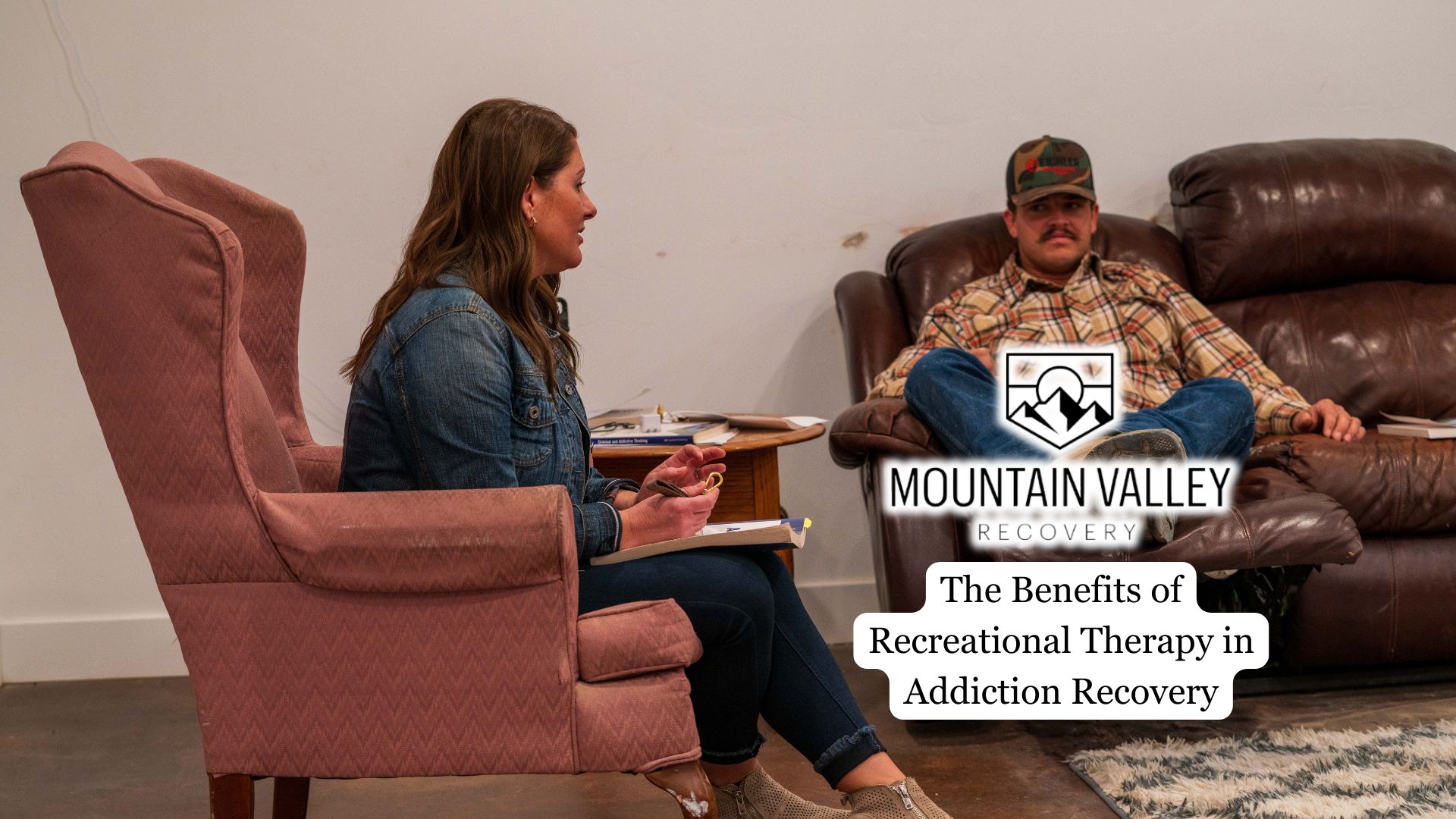
IBy incorporating fun and engaging activities into the recovery journey, recreational therapy nurtures emotional well-being and helps develop essential social skills. This comprehensive approach acknowledges that overcoming addiction is not just about addressing the physical aspects of substance use; it’s about rebuilding a life filled with meaning, happiness, and purpose.
In this article, we’ll delve into the numerous benefits of recreational therapy in addiction recovery, showcasing how it can revolutionize the healing process by fostering healthy habits, improving mental health, and nurturing a supportive community.
Promotes Physical Activity
By participating in structured activities, you’ll build strength, endurance, and resilience, reducing the risks of obesity, diabetes, and hypertension that are often exacerbated by addiction.
You’ll also experience enhanced mood and emotional stability due to the release of endorphins during physical exertion.
Recreational therapy helps you develop a renewed interest in personal health and fitness, fostering healthier lifestyle habits that support long-term recovery. As you engage in team sports and physical challenges, you’ll form stronger social bonds and improve cooperation skills, further reinforcing your commitment to an active, sober lifestyle.
Incorporating regular physical activity into your addiction recovery journey through recreational therapy is a powerful way to promote both physical and mental well-being.
Embracing the opportunities provided by recreational therapy rehabs will transform your health and create a more fulfilling, vibrant life in recovery.
Reduces Cravings and Triggers
By engaging in enjoyable activities, you can redirect your focus away from substance use and develop healthy coping mechanisms.
Physical activities, like sports and exercise, release feel-good chemicals in your brain, helping to counteract the imbalances caused by substance use disorder and reducing the urge to use.
Structured recreational therapies also create a routine that replaces the time you previously spent engaging in substance use, minimizing your exposure to triggers.
Participating in group activities fosters social connections and support, which can help alleviate feelings of isolation that often lead to cravings.

Enhances Emotional Well-Being
Recreational therapy helps replenish natural endorphins and dopamine levels, leading to improved emotional states and feelings of pleasure and happiness.
Engaging in structured recreational activities allows you to explore and express emotions, alleviating feelings of shame and guilt often associated with substance use disorders.
Participation in recreational therapy has been shown to significantly reduce symptoms of depression and anxiety, enhancing your overall emotional well-being. The sense of achievement and accomplishment gained through these activities fosters self-esteem and motivation, contributing positively to your emotional health during recovery.
As a plus, group recreational activities create a supportive environment that encourages social connections. This helps counteract feelings of isolation and promotes a sense of belonging, which is crucial for individuals recovering from addiction.
Read more about the recreation therapy activities which enhance the mental health state of the individual while in addiction treatment.
Builds Social Skills
As you engage in group activities, you’ll develop vital communication and interpersonal skills that will help you navigate social situations without relying on substance use.
Recreation therapy helps foster connections with others in recovery, encouraging trust and cooperation among peers through team-building exercises. You’ll learn to trust others and rebuild relationships damaged by addiction as you participate in shared recreational experiences.
Engaging in these activities also reduces feelings of social isolation, promoting a sense of belonging and community that’s crucial for your recovery journey. You’ll enhance your ability to collaborate and problem-solve with others, skills that will serve you well both in and out of recovery.
Supports Sustainable Recovery
By engaging in structured recreational activities, you’ll develop essential skills that replace substance use, significantly reducing your risk of relapse. You’ll also foster a sense of community, which is crucial for long-term recovery and building supportive social networks.
As you participate in recreational therapy, you’ll likely experience improved self-esteem and motivation, key factors in maintaining sobriety and pursuing personal goals beyond addiction.
Aaccess to diverse recreational therapies enhances treatment engagement, making your recovery journey more enjoyable and effective, thereby supporting sustained abstinence.
Click here to learn more about the positive impact of equine therapy on the addiction recovery process.
Final Thoughts from Mountain Valley Recovery
At Mountain Valley Recovery, we recognize the significance of addressing every facet of an individual’s life throughout their recovery process. Our recreational therapy programs are crafted to empower men to rediscover their passions, cultivate healthy habits, and forge enduring connections with their peers. By embracing the advantages of recreational therapy, individuals can find joy and purpose in their lives, paving the way for a successful and fulfilling recovery.