If you’ve ever wondered what is meth mouth, you’re not alone. Meth mouth is the term used to describe the severe tooth decay and gum disease often associated with methamphetamine use. The condition can progress quickly, leaving teeth blackened, crumbling, and often missing entirely. For anyone dealing with meth addiction, or for a family member trying to make sense of visible changes in a loved one, learning what causes this and whether it and your addiction can be treated is a meaningful place to start.
Key Takeaways
- Meth mouth refers to severe tooth decay and gum disease, strongly associated with methamphetamine use
- Crystal meth contributes to dry mouth, bruxism, and chronically neglected oral hygiene
- Meth use creates a combination of conditions that increase cavity risk and accelerate dental disease
- Some dental treatment is available, though many of the oral effects may be long-lasting
- Recovery from meth addiction is possible and can help prevent further damage from progressing
Heavy Meth Users: How Meth Addiction Damages Oral Health

Meth addiction does more than alter behavior. It sets off a chain of physical and behavioral changes that directly affect your teeth, gums, and overall dental health. As a stimulant drug, methamphetamine raises heart rate, suppresses appetite, and triggers anxiety that can keep users awake for long stretches. The drug also reduces salivary flow and is often associated with increased consumption of sugary foods and sugary drinks. People addicted to methamphetamines frequently neglect oral hygiene practices like brushing and flossing, particularly during prolonged use, when most of their focus stays on maintaining the addiction.
Drug abuse at this level creates damaging effects that compound over time. What makes meth use particularly harmful to teeth is that multiple forces act at once. Dry mouth, poor oral hygiene, sugary diets, and teeth grinding all contribute to the breakdown of enamel and the development of dental caries at an accelerated rate.
Why Saliva Matters for Your Teeth
Saliva does more for your mouth than most people realize. It neutralizes acids, washes away bacteria, and helps prevent cavities. Methamphetamine use can cause xerostomia, or intense dry mouth, which reduces this natural protection. Without adequate salivary flow, bacteria can multiply more rapidly, and the increased risk of dental caries becomes significant. This is one of the primary reasons extensive tooth decay develops in methamphetamine users.
What Crystal Meth Contains and Why It Harms Teeth
Crystal meth is not a regulated or consistent substance. Illicit production may involve a variety of dangerous chemicals, and contamination can vary widely depending on how it is manufactured. While smoking meth can irritate the mouth and contribute to oral health problems, the most well-supported causes of meth mouth are behavioral and physiological rather than direct chemical corrosion.
The combination of reduced saliva, poor oral hygiene, frequent sugary food and beverage consumption, and teeth grinding creates conditions where tooth decay and gum disease can spread quickly and cause teeth to break down or fall out entirely.
According to the National Institutes of Health (NIH), the extensive dental problems seen in methamphetamine users are linked to a combination of physiological and behavioral factors, not a single cause. Meth’s stimulant properties can contribute to patterns such as poor nutrition, prolonged periods without sleep, and reduced self-care, all of which negatively impact oral health.
Key Factors Contributing to Meth Mouth
| Factor | Common Source | Effect on Teeth | Long-Term Outcome |
|---|---|---|---|
| Dry mouth (xerostomia) | Drug-induced reduced salivary flow | Bacterial overgrowth | Rapid cavity development |
| Sugary foods and beverages | High-sugar items consumed during use | Feeds decay-causing bacteria | Accelerated tooth loss |
| Poor oral hygiene | Neglected brushing and flossing | Plaque buildup and decay | Severe dental disease |
| Bruxism | Stimulant effect causing teeth grinding | Tooth wear and fractures | Worsened periodontal disease |
Signs of Meth Use Visible in Dental Health
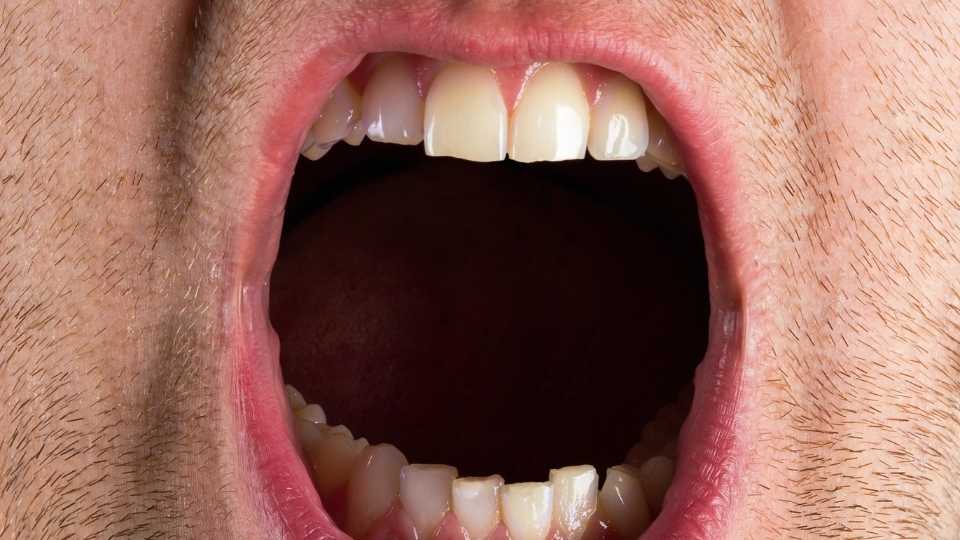
Teeth tend to tell a story. For heavy methamphetamine users, that story may include blackened, stained, severely decayed, or crumbling teeth, often beginning near the gum line and progressing over time. Swollen, bleeding, or receding gums are also common symptoms, pointing to periodontal disease associated with methamphetamine abuse. In advanced cases, severe decay and bone loss from meth use can lead to loose or missing teeth.
Untreated tooth decay accelerates all of these outcomes. When dental problems are left without care, infections can spread, and what began as cavities can become a serious health problem affecting more than just the mouth. In general, heavier and longer-term meth use is associated with more severe dental damage.
Key visible signs of meth mouth include:
- Blackened, heavily stained, or visibly decayed teeth
- Crumbling or missing teeth, particularly in the front of the mouth
- Swollen, bleeding, or receding gums suggest periodontal disease
- Visible cavities concentrated near the gum line
- Persistent dry mouth and unusually fast progression of decay
Bruxism and Its Role in Accelerating Damage
Chronic use of methamphetamine can cause bruxism, or teeth grinding, which is common during and after a meth high. Bruxism leads to significant tooth wear. When combined with existing enamel erosion and gum disease, it can cause teeth to crack and break further, accelerating the breakdown of what remains. Dentists working with patients recovering from meth addiction often note that bruxism adds another layer of damage on top of existing decay.
The Oral Effects of Methamphetamine on Overall Health
The oral effects of methamphetamine extend well beyond how teeth look. Periodontal disease linked to meth use can contribute to infections and inflammation that may affect overall health, especially when left untreated. Severe dental problems can impact nutrition, pain levels, and quality of life.
Changes in oral health can also affect facial appearance over time. Bone loss and missing teeth can alter the structure of the jaw and face.
There are also broader neurological concerns tied to long-term use. Long-term methamphetamine use has been associated with serious neurological harm, including cognitive changes and mental health issues. Research has linked meth use to violent behavior, paranoia, and psychosis during and after periods of heavy use. These behavioral symptoms can make it harder for methamphetamine users to recognize that they need help, which further delays dental care and addiction treatment alike.
According to research referenced by the American Dental Association, the extensive tooth decay in meth users is due to a combination of drug-induced physiological and behavioral changes, including dry mouth and prolonged periods of poor oral hygiene.
Common Dental Issues and Treatment Approaches
| Dental Issue | Primary Cause | Affected Area | Treatment Approach |
|---|---|---|---|
| Dental caries | Dry mouth, sugary foods, poor hygiene | Enamel and dentin | Fluoride, fillings, crowns, or root canal |
| Periodontal disease | Bacterial overgrowth, neglected hygiene | Gums and supporting bone | Deep cleaning, periodontal therapy |
| Bruxism damage | Stimulant drug effect | Tooth surfaces and enamel | Night guards, restorations |
| Tooth loss | Severe decay and bone loss | Multiple teeth | Dentures, bridges, or implants |
Can Meth Mouth Be Treated?
Treatment for meth mouth is possible, though many of the oral effects may be long-lasting or permanent. Dental procedures such as fillings, extractions, crowns, and fluoride treatments can address active decay. Dentists may also recommend dry-mouth management strategies, along with improved oral hygiene practices and dietary changes, as preventive measures to limit further damage. Reducing intake of sugary foods and drinks is one of the more straightforward preventive measures patients can begin during early recovery.
Addressing the underlying addiction is critical for the treatment of meth mouth. Without stopping meth use, dental interventions tend to offer limited benefit because the conditions that cause decay continue. Patients recovering from meth addiction benefit most when dental care is part of a broader recovery plan.
What Dental Recovery May Look Like
Once a person stops using meth, some of the conditions that fuel meth mouth can begin to stabilize. Saliva production may gradually improve. Oral hygiene habits that have been neglected can be rebuilt. Dietary shifts away from sugary foods and beverages reduce ongoing bacterial activity.
Recovery does not reverse damage that has already occurred, but it can stop further progression and allow dental treatment to be more effective over time.
Seeking help for meth addiction is a meaningful first step toward improving both overall health and dental health.
What Is Meth Mouth? Frequently Asked Questions
Is meth mouth reversible?
Meth mouth is generally considered partially treatable but not fully reversible. Dentists can address active decay through fillings, extractions, and restorative procedures, but teeth that have crumbled or fallen out require prosthetic options to replace. Stopping meth use and beginning dental care as early as possible can significantly improve outcomes.
How quickly does meth mouth develop?
The timeline can vary depending on how frequently a person uses meth and their baseline oral hygiene habits. Meth-related dental problems can develop relatively quickly compared to typical decay, but there is no single timeline. Progression depends on factors like dry mouth, sugary food and beverage consumption, and neglected dental care.
Does meth mouth only affect people who use it heavily?
Meth mouth is more commonly associated with heavy, chronic methamphetamine use, but signs can begin to develop in anyone who uses the drug regularly. The combination of dry mouth, teeth grinding, poor oral hygiene, and diet-related factors creates conditions where decay can progress quickly.
Recovery Builds More Than Sobriety
Meth mouth is a visible sign of the deeper physical toll that meth addiction takes on the body and identity. Real recovery means more than stopping drug use. It means rebuilding health, purpose, discipline, and a future worth showing up for.
At Mountain Valley Recovery, men work through evidence-based clinical treatment within a structured ranch environment where accountability, brotherhood, and long-term transformation are the foundation. If you or someone you care about is ready to take that step, begin your recovery journey today.