
Your kidneys quietly filter your blood around the clock, and alcohol can disrupt that work, especially when drinking is heavy or frequent. Many people ask, ” Does liquor affect the kidneys in any meaningful way, assuming the liver takes most of the hit. The truth is that alcohol places real strain on these vital organs, with effects that range from temporary dehydration to lasting, sometimes irreversible disease. Understanding both the short-term impact and the long-term damage can help you make informed choices, and for those whose drinking has become hard to control, support such as inpatient rehab offers a way to protect your health before more damage is done.
What Your Kidneys Actually Do
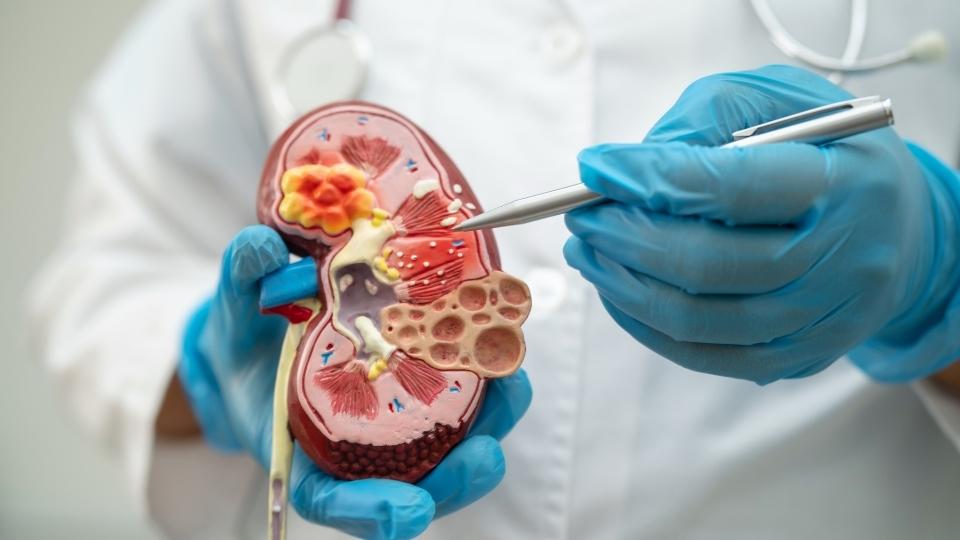
Before looking at the harm, it helps to appreciate just how much these two bean-shaped organs accomplish. Your kidneys are among the hardest-working systems in your body, and they handle several essential jobs:
- Filter waste products and toxins from your blood
- Balance fluids and key electrolytes like sodium and potassium
- Help regulate your blood pressure
- Produce hormones that support red blood cells and bone health
When alcohol enters the picture, several of these functions can be affected, especially fluid balance, electrolyte regulation, and blood pressure.
Mountain Valley Recovery
Inpatient Rehab in a Calm, Supportive Setting
Mountain Valley Recovery provides structured inpatient rehab for people who need space, stability, and professional support away from everyday triggers.
Explore Inpatient RehabHow Does Liquor Affect Kidneys in the Short Term?
Alcohol is a diuretic, meaning it suppresses the hormone that tells your body to hold onto water. The result is increased urination and dehydration, which can strain the kidneys and, when severe, reduce blood flow needed for normal filtering. This is part of why heavy drinking leaves you feeling so drained the next day, a physiological reaction explored further in this guide on why alcohol makes you feel tired.
Beyond dehydration, heavy alcohol use can disrupt electrolyte balance, raise blood pressure, and, in some cases, contribute to acute kidney injury, a sudden drop in kidney function. Binge drinking can increase the risk of these acute episodes, especially when dehydration, illness, medications, or other substances are involved. The good news is that short-term dehydration often improves once drinking stops and the body rehydrates, but suspected acute kidney injury needs medical evaluation.
The Long-Term Damage of Alcohol on Kidneys

Repeated strain is where the real danger lies. Occasional dehydration is one thing, but years of heavy drinking can contribute to lasting alcohol kidney damage and chronic kidney disease that may not fully heal.
Chronic Kidney Disease
Regular heavy drinking has been found to roughly double the risk of chronic kidney disease, a progressive loss of function that can eventually require dialysis. Sustained high blood pressure, itself worsened by alcohol, is one of the leading causes of kidney failure, creating a compounding cycle of harm.
The Liver-Kidney Connection
Alcohol famously damages the liver, but the two organs are deeply linked. When the liver becomes diseased, it disrupts the blood flow and fluid regulation that the kidneys depend on, sometimes leading to a serious condition where kidney function fails alongside the liver. Alcohol’s reach extends to other organs, too, including the brain, as detailed in this look at whether alcohol kills brain cells.
The contrast between the immediate and the lasting effects is stark:
| Short-Term Impact | Long-Term Damage |
|---|---|
| Dehydration and reduced filtration | Higher risk of chronic kidney disease |
| Electrolyte imbalances | Persistent high blood pressure |
| Temporary spike in blood pressure | Liver disease that strains the kidneys |
| Possible acute kidney injury after heavy or binge drinking | Reduced lasting ability to filter waste |
Alcohol and Kidney Stones
The link between alcohol and kidney stones is more complicated than most assume. The liquid volume in drinks can temporarily increase urine output, but alcohol’s diuretic effect can contribute to dehydration. Heavy drinking, especially beer or high-purine drinking patterns, may raise uric acid concerns in people prone to uric acid stones. On balance, regular heavy drinking does more to harm the kidneys than to protect them, and counting on liquor for the kidneys as somehow beneficial is a mistake.
Warning Signs of Alcohol-Related Kidney Trouble
Kidney problems often develop silently, which is exactly why they are dangerous. Pay attention to these potential warning signs, especially if you drink frequently:
- Changes in how often or how much you urinate
- Swelling in the legs, ankles, or feet
- Persistent fatigue or trouble concentrating
- High blood pressure
- Pain in the side or lower back
- Nausea or a loss of appetite
If these symptoms appear, a medical evaluation is worth scheduling promptly. Recognizing how drinking has progressed, including identifying your own drinker type, can also clarify how urgent the situation is.
It Is Not Just Alcohol: Other Substances and the Kidneys
Alcohol is far from the only substance that taxes the kidneys, and people who drink heavily frequently use other drugs as well, multiplying the risk. Opioid overdoses can cause acute kidney injury, and the spread of counterfeit pills like rainbow fentanyl has made that threat more common. Prescription painkillers are not harmless either, as explained in this look at whether morphine is addictive, and the method of use raises the stakes further, a point covered in this overview of whether you can smoke heroin.
Sedatives add another layer of danger, especially when mixed with alcohol. Resources on Klonopin side effects and Klonopin withdrawal explain why combining them with drinking can be life-threatening, and this comparison of clonazepam vs lorazepam shows how even similar medications differ in their risks.
Protecting Your Kidneys and Getting Help
One of the best things you can do for your kidneys, especially if you drink heavily, is to drink less or stop altogether. Staying hydrated, managing blood pressure, and being honest about your habits all help. Some people explore moderation approaches like the California sober lifestyle, but those with genuine dependence often benefit from structured, evidence-based support, and people at risk for withdrawal should seek medical guidance before stopping. It also helps to understand how alcohol behaves in your body, including how long liquor stays in your system, and how dependence develops through the stages of alcoholism and AUD. Reaching out for professional guidance is never a sign of weakness, and your kidneys will thank you for it.
How Does Liquor Affect Kidneys? Frequently Asked Questions
Can your kidneys recover after you stop drinking?
In many cases, short-term dehydration-related kidney stress can improve after you stop drinking, rehydrate, and restore electrolyte balance. Some acute kidney injuries improve with treatment, but they require medical attention. However, long-term chronic kidney disease may be permanent, which is why earlier intervention gives your kidneys the best possible chance to heal and recover.
Does beer cause kidney stones?
The relationship is complex. Beer does not affect everyone’s stone risk the same way, but relying on beer to prevent or pass stones is a mistake. Alcohol can contribute to dehydration, and beer or high-purine patterns may worsen uric-acid stone risk in susceptible people. Overall, regular heavy drinking is far more likely to harm kidney health than protect it.
How much alcohol is safe for your kidneys?
There is no guaranteed safe amount, but risk rises sharply with heavy and frequent drinking. Regular heavy alcohol use is linked to roughly double the risk of chronic kidney disease. Moderation, good hydration, and an honest assessment of your drinking pattern all reduce that danger considerably.