Court-ordered rehab is addiction treatment required by a court. In criminal cases, it may be part of diversion, probation, or sentencing, sometimes as an alternative to incarceration. Separate civil commitment laws can also authorize involuntary treatment under strict conditions.
The rules differ by state, by county, and by judge, so treat this as general information, not legal advice. Ask your attorney how any of it applies to your case. Treatment settings, meanwhile, range from weekly classes to a long-term residential addiction treatment program. The right setting depends on how severe the substance use is and what the court approves.
How People End Up in Court-Ordered Treatment
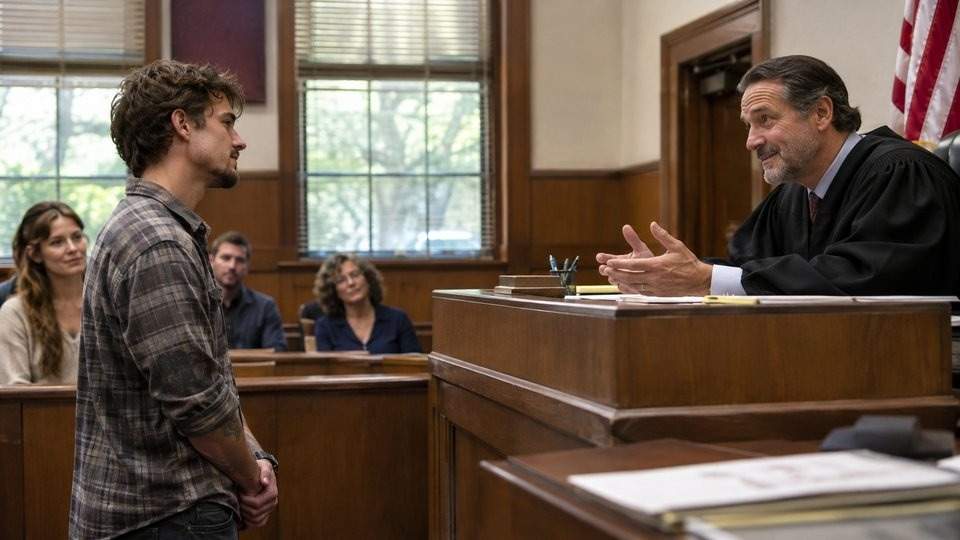
Courts reach for treatment when substance use clearly drives the criminal behavior. The criminal justice system has four main routes into court-ordered treatment, and each works a little differently. These are the common paths:
- Drug court programs, which combine close supervision with required treatment
- Probation or parole conditions that require addiction treatment
- Plea agreements that defense attorneys and prosecutors work out
- Pre-trial diversion programs, where charges can be dropped after treatment ends
Families often set these paths in motion. Maybe you want a loved one to seek treatment after an arrest. Our post on how to get someone into rehab explains what family members can really do.
Drug Court Programs
A drug court is a special court docket for people whose drug-related crimes trace back to addiction. The Bureau of Justice Assistance counted an estimated 4,000 drug treatment courts nationwide as of 2025 [1]. Drug court participants attend regular court hearings, take frequent drug tests, and follow a treatment plan the court signs off on.
The judge, the prosecutor, and the treatment team work together on the same plan. Each drug court sets its own eligibility criteria, and many focus on people with nonviolent drug-related offenses. Our guide answering how does rehab work shows where a court order fits, from first call to coming home.
Probation, Parole, and Plea Agreements
Treatment can also be a condition of staying out of jail. Probation officers track whether you attend treatment sessions, and a missed program can count as a violation. Courts typically spell the requirement out in the sentencing order or the plea deal.
A plea agreement may trade a guilty plea for mandated treatment and a suspended prison sentence. Pre-trial diversion goes a step further, because successful completion may lead to dismissal or avoidance of a conviction, although record sealing and expungement depend on local law. Each path still means real time in care.
That time away raises job worries for a lot of men. Our post on whether you can be fired for going to rehab covers the protections that may apply.
Court-Ordered Treatment vs Voluntary Treatment
Court-mandated treatment may use the same evidence-based therapies and medications as voluntary care, depending on the provider and assessed needs. The main added requirement is legal supervision and reporting to the court.
The table below shows how the two compare on the points that matter in a criminal case.
| Court-Ordered Rehab | Voluntary Treatment | |
|---|---|---|
| How It Starts | A court ruling after a referral and an evaluation | You contact a treatment facility directly |
| Who Sees Your Progress | The court receives progress reports | Federal confidentiality protections and exceptions apply |
| Leaving Early | Legal consequences, up to jail or prison time | No criminal penalty |
| Length | Set by the judge with the treatment team | Set by you and your treatment provider |
Treatment facilities share court reports through required consent or other lawful authority. Federal confidentiality rules can protect both court-ordered and voluntary treatment records, with specific exceptions. Ask what will be shared, with whom, and on what legal basis.
How Long Is Court-Ordered Rehab?

Court-ordered drug rehab varies in length more than people expect. A minor charge may bring a few months of outpatient treatment or substance abuse classes at home. Drug court runs longer, and many people attend court-ordered rehab for a year or two.
Who Decides the Length
The judge sets the legal side, and the treatment team handles the clinical side. An assessment comes first, and it measures addiction severity. It also checks for co-occurring disorders, meaning mental health and substance use problems at the same time.
When both show up, mental health care starts early. The court ruling then matches the level of care to those results. Options run from intensive outpatient programs, meaning treatment several days a week while you live at home, up to residential treatment.
Progress counts as much as the calendar. Judges can extend an order after a setback or ease up when someone does well. That is one reason the first 30 days of rehab carry so much weight.
What Utah’s Adult Drug Courts Require
Utah established its first drug court in Salt Lake City in 1996. The Utah State Courts website reports an estimated 700 to 800 participants statewide [2], without a current census date. Its directory lists adult drug courts across the state’s judicial districts.
Utah’s certification rules say an adult drug court program must run at least twelve months [3]. They also set the week-to-week expectations:
- Random testing at least twice per week, with frequency matched to substance detection windows
- Court hearings at least every two weeks during the first phase
- Regular contact with a treatment provider or case manager early in the program
- Counseling plus structured peer support groups, with a secular option available
A commitment that long raises real questions about work. Our post on FMLA leave for rehab explains when federal leave can protect your job while you complete a program.
Who Pays for Court-Ordered Rehab?
Many court-ordered rehab programs expect the participant to pay, the same as other costs that come with a case. Courts know that treatment costs can decide whether someone actually finishes a program. Several supports exist so a working man can still receive treatment and finish the order.
Health insurance can apply when a plan covers substance use disorder treatment, including care a court required as part of a case. Coverage depends on the plan and the level of care. Our post on does insurance cover long term rehab breaks down what to check.
Utah ties fees to income. Drug court standards there call for sliding-scale treatment fees based on ability to pay. State-funded treatment programs exist for people who cannot pay at all.
SAMHSA’s National Helpline at 1-800-662-4357 is a free, confidential referral line that answers day and night [4]. Call before you assume cost puts treatment out of reach.
Does Court-Ordered Rehab Work?
Treatment does not have to begin voluntarily to help. NIDA explains that legal pressure can encourage entry into treatment and retention [5]. Outcomes still depend on appropriate care, access to medication when indicated, and continuing support; coercion alone does not guarantee recovery.
Drug courts show the same pattern in research reviewed by the National Institute of Justice. Participants have shown lower re-arrest rates, though results vary by program [1]. Court supervision can support engagement, but outcomes depend on the person, the program, and the care available.
Utah’s courts make the same case. Fines and jail alone are unlikely to stop future criminal activity while substance abuse continues. So the court system treats the cause instead.
What Happens If You Do Not Complete Court-Ordered Rehab
Leaving a court-ordered program early is not a private choice, because the treatment facility reports it to the court. Missed sessions and failed drug testing get reported the same way. What follows depends on the judge, the order, and the individual’s criminal history, and it can include:
- A probation or parole violation
- The original charge or sentence coming back, including jail or prison time
- Extended probation or added requirements such as community service
- Fines or repayment of program fees
- Removal from a diversion program, so the case moves ahead as if you never entered
A relapse does not have to end everything. In Utah, drug courts should not remove someone for continued substance use alone if they stay engaged in treatment and supervision. Graduation still has a clear bar: at least 90 days in a row drug-free [3].
People who complete court-ordered treatment keep their options open, because successful completion can lead to reduced charges or even dismissal. If you are struggling, tell your attorney and your treatment team before you walk away. Even after leaving, contact them promptly to discuss clinical safety and the legal steps available.
Can You Choose Your Own Treatment Facility?
You often have a say, within limits. Many courts maintain lists of approved providers. Treatment centers on those lists already know how to report to a judge.
Compare options with work in mind too, because a residential placement means weeks away from the job. Our post on telling your employer about rehab shows how to keep that talk short and private.
Some judges will instead take any licensed treatment facility that meets the order. They usually ask probation and the prosecutor to weigh in first.
A long-term rehab program can satisfy a court requirement if the judge approves it and the level of care fits your assessment. Programs and courts vary, so nothing is automatic. Ask the program to work with the court before your hearing.
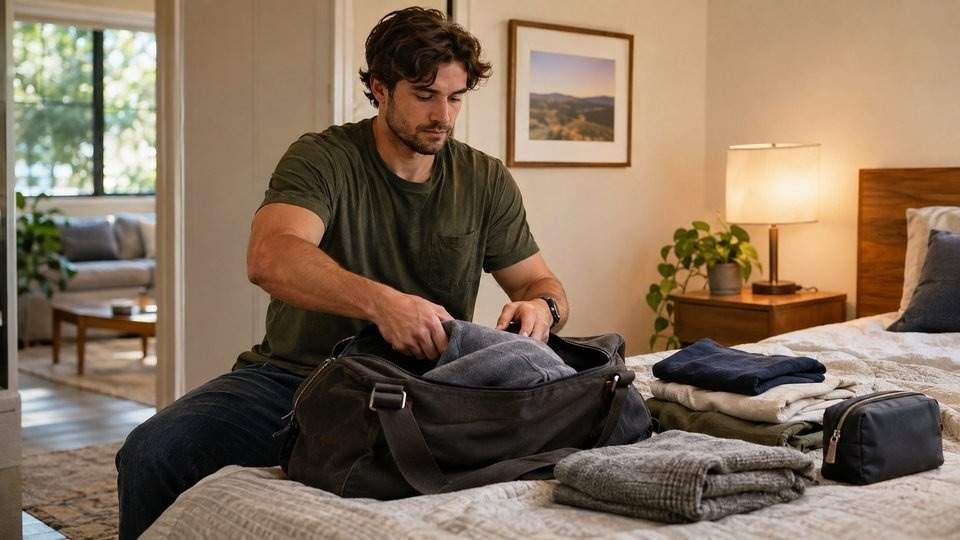
Residential care also means living at the program itself, and that takes some planning once the placement is set. What to bring, and what should stay at home, is all covered in our packing list for long-term treatment.
Court-Ordered Rehab: Frequently Asked Questions
Is Drug Court Better Than Probation?
Drug court adds structure that standard probation does not have, including frequent drug testing, regular court appearances, and required treatment. Research has linked that model to lower re-arrest rates for people with severe substance use problems. Whether it fits your case is a question to weigh with your attorney.
Do You Have to Pay for Court-Mandated Therapy?
You usually pay at least part of the cost, the same as other case costs. Many programs scale their fees to your income, and insurance can cover some services. State aid also exists for people who cannot pay, so ask the court about payment help before you say no.
Can a Long-Term Program Satisfy a Court Requirement?
It often can, as long as the judge approves the program and the level of care matches your assessment. Courts generally want a licensed program, proof of enrollment, and regular progress reports sent back for review. Ask the program’s admissions team to send the court that documentation before your next hearing.
Sources
- Bureau of Justice Assistance, U.S. Department of Justice. Drug Courts (May 2025). https://www.ojp.gov/pdffiles1/nij/238527.pdf
- Utah State Courts. Problem Solving Courts. https://www.utcourts.gov/en/courts/court-types/problem-solving-courts.html
- Utah Judicial Council. Utah Adult Drug Court Certification Checklist (adopted December 16, 2019). https://www.utcourts.gov/content/dam/courts/dist/psc/Utah_Adult_Drug_Court_Certification_Checklist.pdf
- Substance Abuse and Mental Health Services Administration. SAMHSA’s National Helpline. https://www.samhsa.gov/find-help/national-helpline
- National Institute on Drug Abuse. Criminal Justice DrugFacts. https://nida.nih.gov/publications/drugfacts/criminal-justice