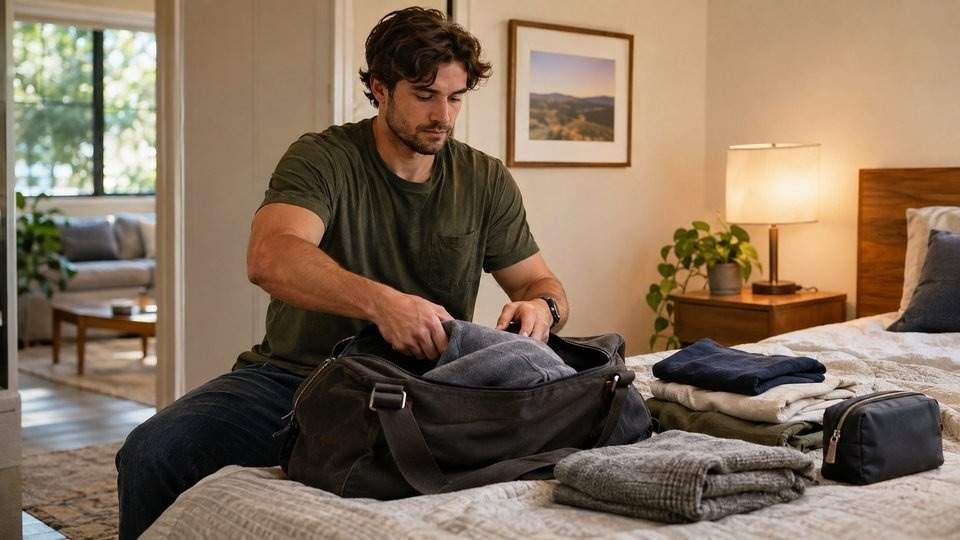
Bring a photo ID, an insurance card, and prescription medications in their original containers. Add about a week’s worth of comfortable clothing, alcohol free toiletries, and a few personal items. That list covers what to bring to rehab at most residential treatment programs. A 30-day stay and a full year start from the same bag.
This rehab packing list walks through each category. The admissions team at Mountain Valley Recovery can confirm what applies to your stay, since every program adds rules of its own.
A long-term program changes what to pack for rehab in a few ways. Clothes have to work across seasons, and sturdy gear matters where the schedule includes outdoor or ranch work. Family at home becomes part of the plan too, from mailed packages to phone lists.
Documents, Money, and Essentials to Bring to Rehab

Admissions staff confirm who you are, how care will be billed, and who to call in an emergency. Billing starts at intake, so coverage questions are worth settling early. The post Does Insurance Cover Long Term Rehab shows how to check benefits before you arrive.
Beyond insurance, a few documents and cards do the real work on day one. They are also easy to forget in a stressful week. Keep these necessary items together in one folder:
- A photo ID, such as a driver’s license or passport
- Your insurance card, plus any enrollment paperwork the program requested
- A list of current prescription medications, with doses and pharmacy information
- Written phone numbers for emergency contacts, since cell phone access is often limited
Leave large amounts of cash at home, since secure storage for valuable items is limited. A small amount of cash or a debit card covers vending machines and store runs. If a judge or probation officer is involved, add copies of each order. Our post on what court-ordered treatment involves makes the paperwork side clear.
Comfortable Clothing for a Long-Term Stay
Clothing is where packing for long-term rehab differs most from a short stay. A week’s worth of clothes is still enough, because laundry runs weekly at most facilities and residents wash their own. The same few outfits end up on repeat anyway.
The timeline is the real difference between the two. NIDA’s treatment guide emphasizes sustained engagement and notes limited effectiveness for less than 90 days of residential or outpatient treatment [1]. This is general guidance, not a minimum residential stay for everyone. Packing still centers on arrival, so cover the season you land in and the first 30 days of rehab. Family can rotate items by mail after that.
Start with basics that survive a washing machine twice a week. Cotton and denim hold up better than anything delicate. A practical clothing list for residential treatment looks like this:
- Seven days of t-shirts, work pants, shorts, socks, and underwear
- Comfortable shoes for daily activities and exercise
- Flip-flops or shower sandals for shared bathrooms
- Sleepwear you can wear in common areas
- A modest swimsuit, if the facility’s policy allows swimming
Skip anything with alcohol, drug, or violent images, since most programs ban that under the dress code. Plain clothes that can take a beating fit the daily mix of therapy, chores, and free time.
Pack for Every Season
Weather-appropriate clothing beats volume on a nine-to-twelve-month stay. Pack layers you can add or shed: short sleeves for summer, a hoodie for fall, and thermals plus a real coat for winter. Storage is usually one dresser, which is another reason to keep each season small.
Arriving in the wrong season is common and fixable. Most facilities let families mail swaps as the seasons turn, so shorts leave, and coats arrive. No one needs to pack for July in January.
Work and Outdoor Clothing
Programs with outdoor or work components, including ranch and wilderness settings, put clothing through real use. Sturdy boots, work gloves, jeans, and a brimmed hat hold up through animal care, gardening, and grounds work. Athletic wear breaks down fast, so pack part of the bag for labor.
Ask the admissions office how much of the week involves physical work before you decide how much to pack. Sunscreen, lip balm, and a water bottle usually earn their spots too.
Cell Phones, Electronics, and Personal Items
Cell phone rules vary more than any other policy. Some programs store phones for the entire stay. Others schedule phone access, or return devices in stages as treatment moves forward.
The same goes for laptops, tablets, smartwatches, and other internet-enabled devices. Internet access is usually limited, which protects privacy and the well-being of the whole house. Ask before you pack a second device.
Limited phone access is one reason to settle work plans before admission, not after. If medical leave is part of the plan, the post on FMLA for rehab explains the forms your employer may need. Sorting that out early beats doing it from inside the program.
Once the practical questions are handled, pack for the quiet hours. Evenings slow down even in a full schedule, and screen-free options fill them best. A few personal items make a shared room feel like home:
- Photos of loved ones
- Books, magazines, or other reading materials
- A journal, a valuable tool for personal reflection
- Playing cards or a small travel game
- A basic music player, if devices without internet are allowed
- A simple alarm clock without internet
Job worries deserve the same attention before day one. Federal law limits what an employer can do when a worker seeks treatment, though the details depend on timing. Our post on whether you can be fired for going to rehab lays out those rules in plain terms.
Toiletries, Medications, and Health Items
Programs set their own rules for toiletries and medicines, and staff may inspect items at intake. Check the written policy before packing, especially for aerosols, sharp grooming tools, and products containing alcohol.
Personal Hygiene Items
A month of basic toiletries covers the start of a long stay. Some programs restrict products containing intoxicating alcohol, especially mouthwash. Check the actual policy rather than assuming every ingredient with alcohol in its name is prohibited:
- Toothbrush, toothpaste, shampoo, and conditioner
- Body wash or bar soap and deodorant
- A hairbrush or comb and other grooming tools
- Shaving cream and disposable razors
Some facilities want everything new and sealed, so leave items unopened until you arrive. Razors, nail clippers, and other sharp grooming tools may need staff storage or supervised access. Ask which personal care supplies the program provides.
Prescription Medications
Bring current prescriptions in original pharmacy-labeled containers, along with an up-to-date medication list, after confirming the program’s rules. Authorized staff review medications at intake and explain storage and administration procedures. Do not stop prescribed medicine or change doses without advice from your prescriber.
Over-the-counter medications, vitamins, and supplements sit in a gray area. Many residential programs want them new and sealed in original containers. Some do not allow them at all, so call ahead about anything you take daily. A quick call beats losing them at the door.
Medication review is one early step in the admissions process, and it goes faster when the bottles match the list you packed. Our guide to how rehab works, from the first call to coming home, walks through the rest.
What Family Can Send Later

During a long-term stay, a family member at home keeps the supplies coming. Most facilities accept mail, check every box, and post rules about what can come in. Seasonal clothes, new books, photos, and letters top most lists, and each one helps the healing process.
Some families face a harder first step, because their person has not agreed to treatment yet. The SAMHSA National Helpline at 1-800-662-4357 is free, confidential, and open 24 hours a day [2]. When you are ready, our post on how to get someone into rehab walks through that conversation.
What Not to Bring to Rehab
Every program posts its own prohibited items list, and the same groups show up on most of them. Strict rules exist to ensure safety for everyone in the building. No packing guide replaces the facility’s own list, so ask admissions about anything borderline. The table below covers what to leave home:
| Category | Why Programs Restrict It | What to Do Instead |
|---|---|---|
| Alcohol and other addictive substances | Risk to every resident’s recovery | Medications go through intake review |
| Weapons and sharp objects | Screened out for safety | Staff store approved grooming tools |
| Aerosols and alcohol-based toiletries | Easy to misuse | Pack alcohol free, pump-style products |
| Valuables and large amounts of cash | Secure storage is rarely available | Bring a debit card and small cash |
| Clothing with drug or alcohol imagery | Dress codes keep shared spaces neutral | Pack plain, comfortable clothing |
Tobacco sits in the middle ground. Some programs let residents bring cigarettes or chewing tobacco in sealed packages. Others keep the whole campus tobacco free, so ask before packing either.
What to Bring to Rehab: Frequently Asked Questions
How Is Packing for Long-Term Rehab Different?
Packing for long-term rehab means planning for more than one season. The bag itself stays about the same size. Bring about a week of clothes, plus work gear if the program includes outdoor labor. Family can send seasonal items later, and laundry access makes a small wardrobe enough.
Should You Tell Your Employer Before Going to Rehab?
Many people choose to tell their employer because medical leave and job protection paperwork starts before admission day. Our post on telling your employer about rehab covers what to say and when. A short, factual conversation is usually enough to start the process.
What Can You Bring to Rehab to Pass the Time?
Quiet, screen-free items work best: books and other reading materials, a journal, playing cards, and photos from home. Inpatient rehab fills the day with therapy, groups, and chores, so free hours are shorter than at home. Check the facility’s policy before packing electronics.
Can You Bring Your Cell Phone to Rehab?
Policies differ by program. Some facilities store phones for the entire stay. Others allow scheduled calls or return devices as treatment moves forward. Ask during admissions how calls to loved ones work, and leave a written list of phone numbers with family.
Packing well is the easy first step in a long recovery journey. Evidence-based care takes over after that. The Mountain Valley Recovery admissions team answers packing questions every day, from medication rules to what family can send. Reach out before arrival day to walk through the full checklist.
Sources
- National Institute on Drug Abuse. Principles of Drug Addiction Treatment: A Research-Based Guide, Third Edition. Revised January 2018. https://nida.nih.gov/sites/default/files/podat-3rdEd-508.pdf
- Substance Abuse and Mental Health Services Administration. SAMHSA’s National Helpline. Updated March 25, 2026. https://www.samhsa.gov/find-help/helplines/national-helpline