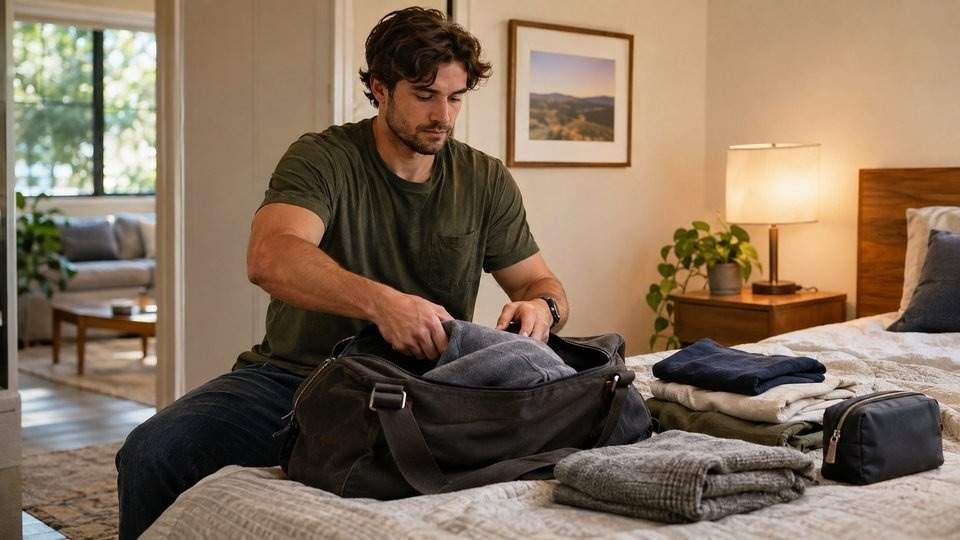
Many adult children of alcoholics do carry their childhood into their own families, often without knowing it. The habits that helped them get through a chaotic home can follow them into marriage, parenting, and friendships. Those habits might include staying quiet, keeping control, or caring for everyone else. The good news is that these patterns can be noticed, understood, and changed.
Growing up with an alcoholic parent shapes how you see yourself and others. If you now love someone who drinks or uses drugs, old feelings may come rushing back. At Mountain Valley Recovery, family therapy in Utah gives family members a place to work through these patterns while their loved one is in treatment.
How Common Is Growing Up With an Alcoholic Parent?
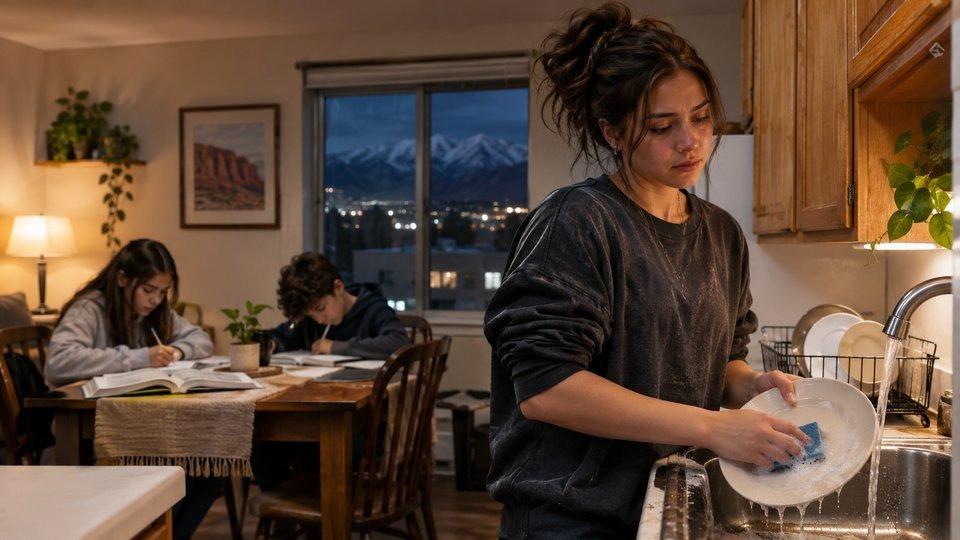
In an analysis of 2023 U.S. survey data, nearly 19 million children lived with at least one parent or primary caregiver with a substance use disorder. About 12.6 million lived with one who had alcohol use disorder [1].
Those children grow up and start families of their own. Many become adult children who look fine from the outside but still carry heavy feelings from the past. Knowing how common this is can ease the shame many people feel about where they came from.
Common Traits of Adult Children of Alcoholics
Adult Children of Alcoholics, a peer support group, describes 14 experiences its members may recognize in a resource called the Laundry List [2]. You can use it to reflect on which patterns, if any, fit your own experience.
People Pleasing
Many adult children learned early that keeping others happy kept them safe. As adults, people-pleasing can look like saying yes when you mean no, avoiding conflict, and feeling guilty when you stand up for yourself. Over time, this habit can leave you drained and resentful.
Control Issues
In dysfunctional families, life often felt out of control. Some adult children respond by trying to control everything around them, from schedules to other people’s moods. Control can feel like safety, but it often creates tension in relationships and makes it hard to relax.
Fear of Abandonment and Trust Issues
Children of alcoholics may have learned that the people they loved could not always be counted on. As adults, they may fear being left, cling to unhealthy relationships, or struggle to trust anyone fully. These fears are understandable after years of broken trust, and they often show up most in intimate relationships where closeness and intimacy feel risky.
Taking on Too Much Responsibility
Many children of alcoholics grew up fast. They cooked meals, cared for siblings, or covered for a parent. That sense of being in charge can stay with them as adults. It is closely tied to the pattern described in our article on codependency and addiction.
How the Pattern Can Repeat in Your Own Family
Coping Mechanisms That Outlast Childhood
The coping mechanisms that worked in childhood can cause problems in adulthood. Many grew out of neglect, fear, or emotional wounds that were never named. A person who learned to stay silent may struggle to speak up with a partner. Someone who learned to fix everything may slip into rescuing a spouse or child who is drinking or using drugs.
When Alcohol Addiction Repeats
A large Swedish registry study found that people with a parent who had alcohol use disorder had a higher rate of developing the disorder themselves during follow-up [3]. Knowing your family history can help you notice early changes in your drinking and decide when to seek support.
Genes are only part of that risk, since home life and stress matter too. You can read more about how genes shape addiction risk in a related chapter.
Roles Children Take On in Dysfunctional Families
Some families find it useful to describe the ways children coped with a parent’s drinking. One child may focus on achievement, another may draw attention to conflict, and another may keep quiet or use humor to ease tension. Children can respond in several ways, and those responses can change over time.
These roles help children cope, but they can stick long after childhood ends. An adult who was the hero may still feel they must be perfect. Someone who was the lost child may still hide their needs. Seeing your old role clearly can help you decide whether it still serves you.
When You Love Someone Who Is Using
If you grew up with an alcoholic parent and now love someone with an addiction, the situation may feel painfully familiar. You may fall back into old roles, such as the peacemaker or the fixer, almost without thinking. Noticing those roles is the first step toward choosing a different response.
It can also help to plan ahead for hard moments. Thinking about what to say when your loved one is using can keep you from falling into old scripts of silence, blame, or rescue.
The Healing Process for Adult Children

Healing does not mean blaming your parents or erasing the past. It means understanding how your childhood shaped you and choosing which habits to keep. The healing process is often slow, but each small step adds up over time.
Many adult children say the first real step was simply naming what happened. Saying “my parent drank, and it affected me” can feel scary or disloyal. Yet naming the past often brings relief, because it explains feelings that never made sense before. From there, you can start to build new habits that fit the life you want now.
Finding a Support Group
Adult Children of Alcoholics and Al-Anon offer peer support for adults affected by family drinking. Alateen offers support for teens affected by someone else’s drinking. Hearing others with similar experiences can help you feel less alone.
Learning Healthy Communication
Many adult children grew up in homes where no one talked about what was really going on. Learning healthy communication means practicing how to express emotions such as anger, sadness, and pain in a calm way. It also means naming your own needs and setting healthy boundaries without feeling selfish. These coping strategies help protect your relationships today.
Working With a Therapist
Therapy can help you explore old wounds and practice new skills. It is a good idea to seek professional help if childhood trauma, depression, or constant self-doubt makes daily life hard. A therapist who understands family addiction can offer insight into old behaviors, help with anxiety, and support healthier relationships. Many adult children find that therapy helps them break the cycle for their own children.
Adult Children of Alcoholics: Frequently Asked Questions
What Are the Traits of Adult Children of Alcoholics?
Common traits include people-pleasing, fear of abandonment, trouble trusting others, a strong need for control, and harsh self-judgment. Many adult children also feel overly responsible for others and find it hard to relax or have fun. Not everyone has every trait, and the traits can change with support and time.
Can Adult Children of Alcoholics Have Healthy Relationships?
Yes. Many adult children build strong, loving relationships, especially when they understand how their past affects them. Therapy, support groups, and honest communication with partners can help. Learning to name your feelings, set boundaries, and trust slowly are key skills that make healthy relationships possible over time.
Will I Become an Alcoholic If My Parent Was One?
Having a parent with alcohol use disorder raises your risk, and your own drinking patterns, experiences, and support also matter [3]. Knowing your family history can help you make informed choices about drinking and seek advice if you notice changes.
Help for Your Family
You do not have to repeat the past. Our guide on living with an addict covers more ways families can cope. Mountain Valley Recovery offers long-term residential treatment for men on a working ranch in Holden, Utah, with family therapy as part of care. Call to talk with our admissions team about your loved one.
This article is for informational purposes only and is not a substitute for professional medical advice, diagnosis, or treatment.
Sources
- McCabe SE, McCabe VW, Schepis TS. US Children Living With a Parent With Substance Use Disorder. JAMA Pediatrics, 2025. https://jamanetwork.com/journals/jamapediatrics/fullarticle/2833575
- Adult Children of Alcoholics and Dysfunctional Families. The Laundry List: 14 Traits of an Adult Child of an Alcoholic. https://adultchildren.org/laundry-list/
- Kendler KS, Abrahamsson L, Sundquist J, Sundquist K. Pattern of Risks for Psychiatric and Substance Use Disorders in the Offspring of Parents With Alcohol Use Disorder. American Journal of Psychiatry, 2024. https://pubmed.ncbi.nlm.nih.gov/38419493/